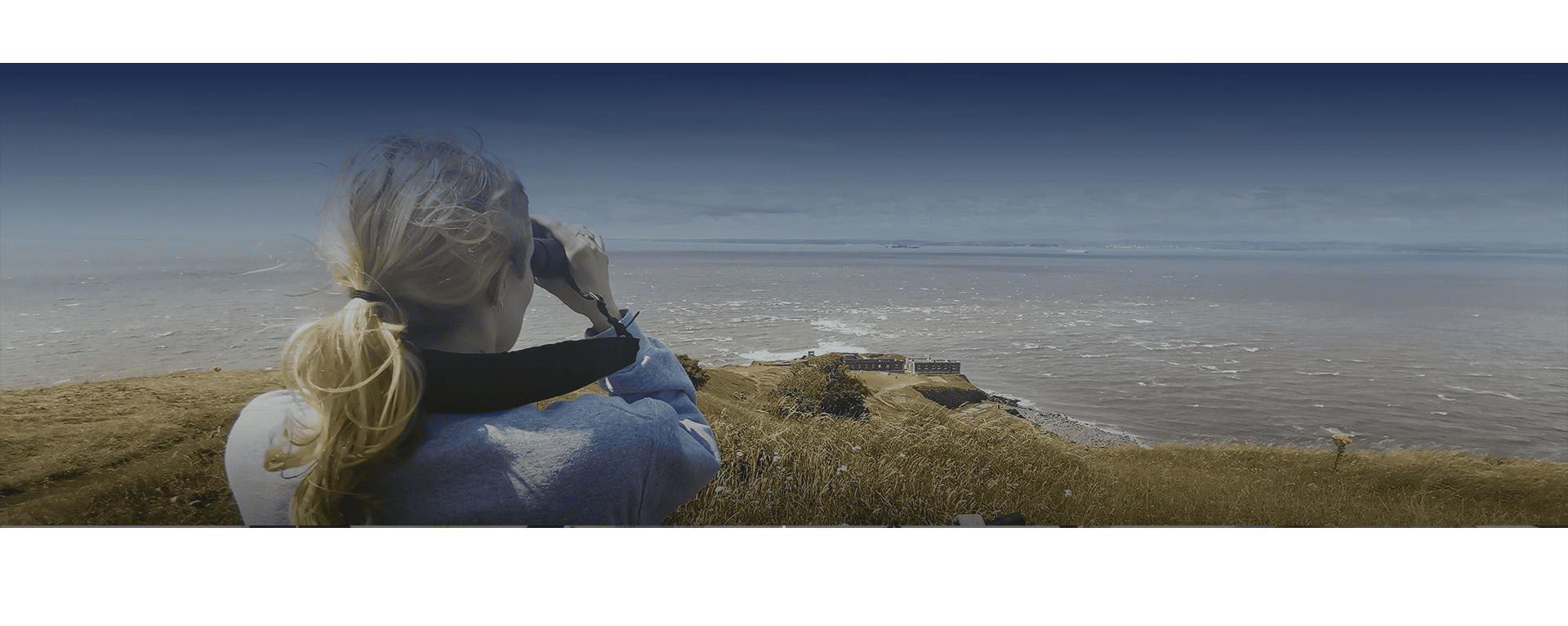
We monitor the cetaceans within British and Irish waters with help from our brilliant volunteers.
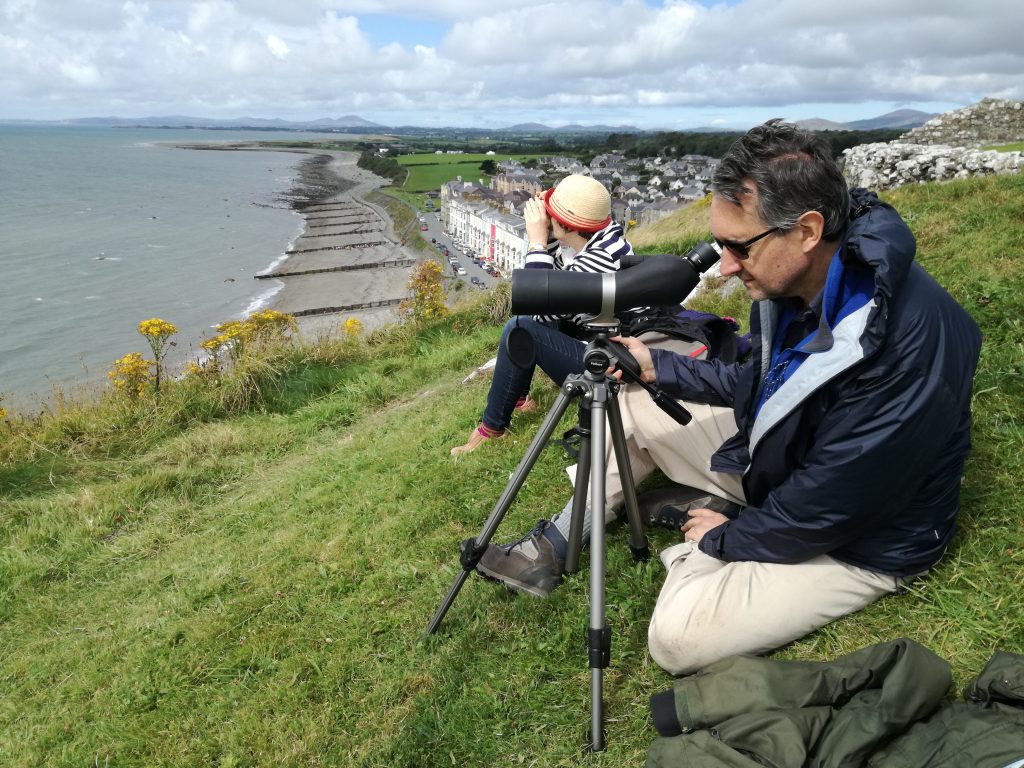
Sightings from the shore provide essential background on the relative abundance and distribution of different inshore species.
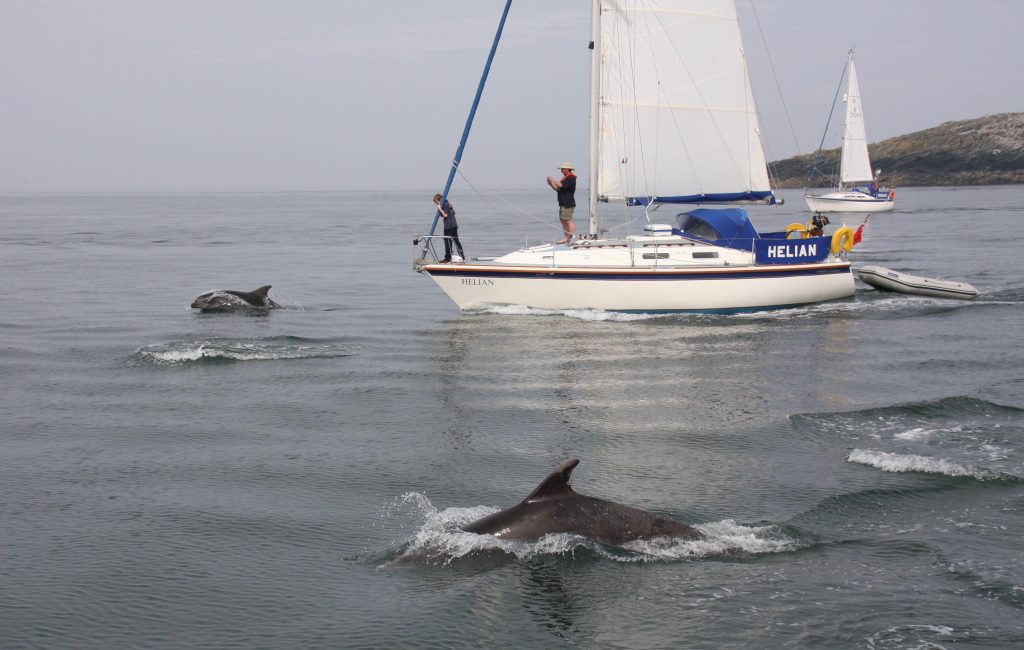
Complementing these, the offshore surveys often have several aims:
- They provide information for species occurring mainly offshore
- They are ideal opportunities to study a species or area in detail
- They can also be used to train volunteers in field techniques and test new equipment.
Just in terms of diversity, 31 species have been recorded this century in British or Irish territorial waters. Common dolphin, striped dolphin and minke whale are among those species where numbers sighted have increased since 1980. Harbour porpoises, on the other hand, showed widespread decline in the 1970s – 1980s; and northern bottlenose whales have remained uncommon since the 1960s. None of this information would be available to us without the efforts of Sea Watch volunteers, local groups and organisations recording and reporting their sightings. Please see a list a our Recommended Boat Operators here, who we work closely with, particularly during National Whale and Dolphin Watch.
Join your Regional Group
With so many people in Britain and Ireland concerned for the welfare of whales and dolphins around our coasts, Sea Watch Foundation made the decision to develop regional groups. People sharing common interests have a better opportunity to be in contact with one another; regular systematic watches to monitor numbers of whales and dolphins inhabiting the region can be more effectively organised; and local threats facing cetaceans may be identified more clearly. Regional groups also help us function more effectively. Less time is taken up centrally answering routine inquires, enabling us to better maintain the national sightings database and carry out essential analyses, whilst providing the groups with national information and news through regular newsletters. Liaison with Regional Co-ordinators helps us identify status changes and threats more quickly, so that we can respond quickly in advising governments and other interested parties on necessary action.
The UK has been divided into 36 regions and each of them has its own Regional Co-ordinator, although sometimes for practical reasons there can be more than one co-ordinator per region or one co-ordinator can cover more than one region.