
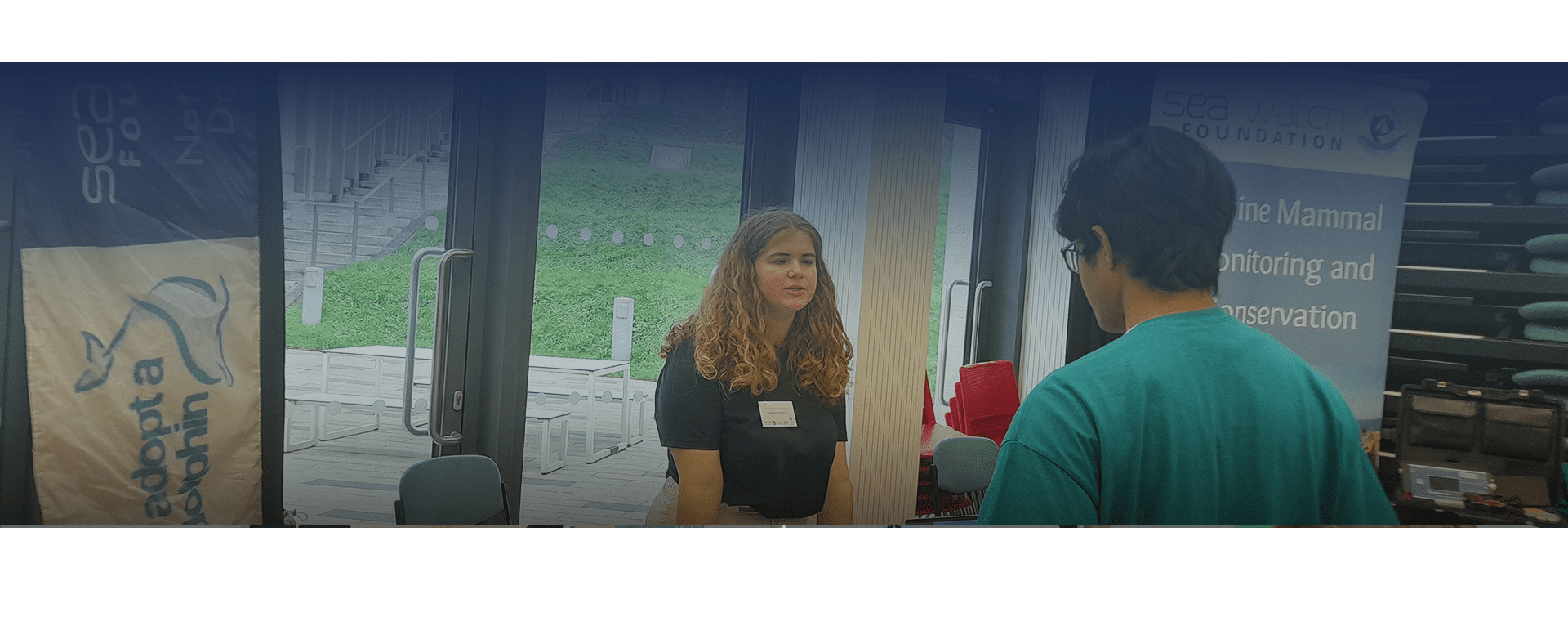
There are several institutions in the UK, which have facilities to do research on topics within the field of marine biology. Many career opportunities for marine biologists are related to the industrial and commercial uses of the sea.
These include fisheries and fish farming, impact assessment before building and/or dredging projects on the coast, marine technology, dealing with pollution problems and the control of water quality.
Research and Careers in Cetacean Biology
Working with cetaceans or marine mammals in general is appealing because of strong public interest in these animals, and this can create a slightly distorted view of what is actually involved. Working with marine mammals, in research or conservation, may be very rewarding but the competition can be fierce.
Marine mammal scientists try to understand these animals’ genetic, systematic, and evolutionary relationships; population structure; community dynamics; anatomy and physiology; behaviour and sensory abilities; health status; geographic distributions and habitat preferences; behavioural ecology; management; and conservation.
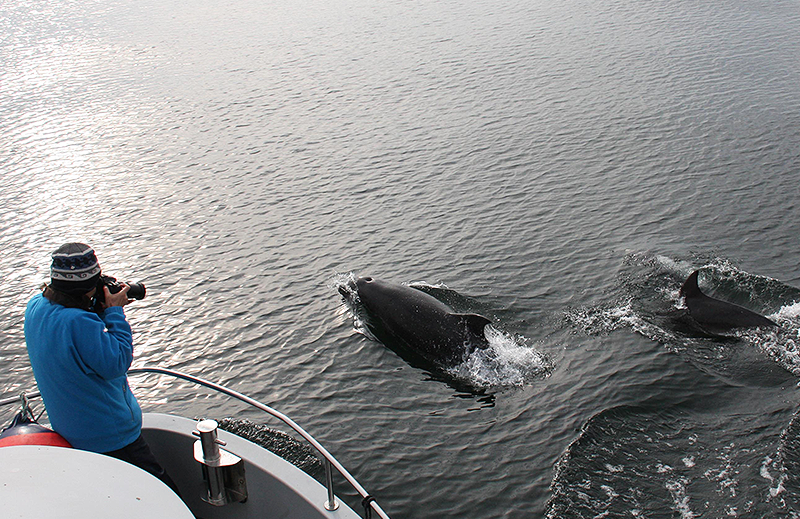
Most jobs with marine mammals are not as exciting or glamorous as popular television programmes make them seem. Such studies often involve long, hard, soggy, sunburned days at sea, countless hours in an office or laboratory, extensive work on computers, hours of clean-up, and write-up of numerous reports, grant or permit applications. As in other fields of science, jobs dealing with marine mammals vary widely. Examples include researcher, field biologist, fishery vessel observer, laboratory technician, animal care specialist, veterinarian, whale watch guide, naturalist, educator at any level, advisor within marine industries and environmental consultancies, and government NGO, or private agency positions in legislative, management, conservation, and animal welfare issues. Many marine mammal scientists work with museum displays and collections, as curators, artists, illustrators, photographers, or filmmakers.
There is actually an enormous variety of ways one can use one’s interest in marine mammals in a paid job. To get a better idea see the regular features in our members’ newsletters where we showcase different individuals that have interned or work for us and they outline what they are doing now.
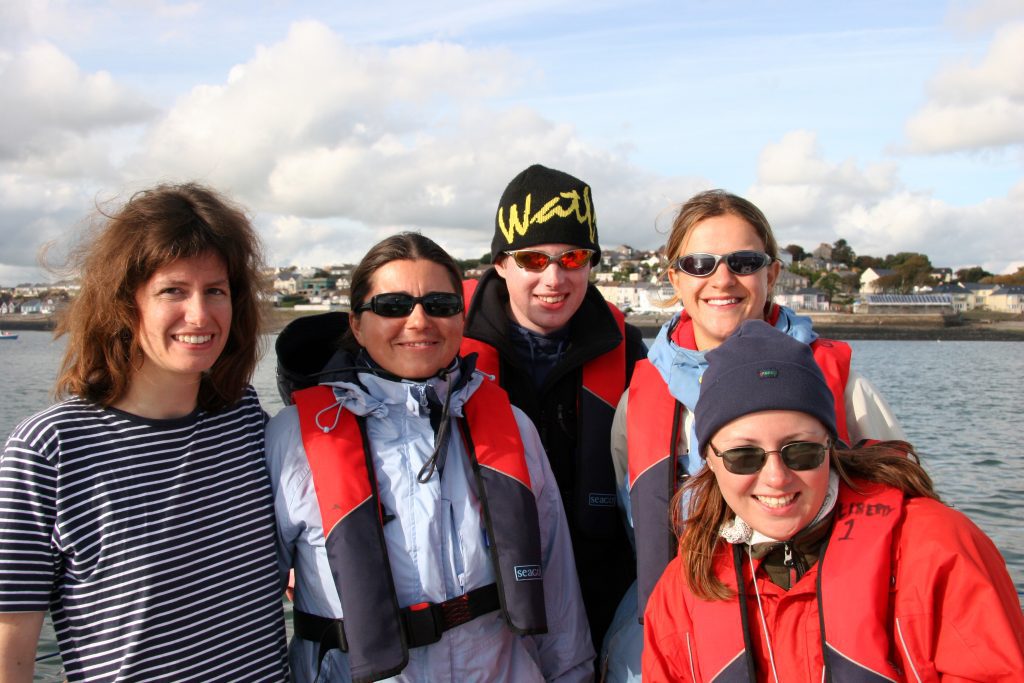
With a lot of competition for jobs that involve working with marine mammals in some form, we advise young people to gain valuable experience by volunteering for a wildlife organization. Most of our current staff first became involved taking up an internship with us. It is an excellent way of finding out exactly what you enjoy and meet likeminded people!
What should you study?
School
If you are interested in a career in cetacean or marine biology, whether conservation or research related, you need to start by studying science subjects at ‘A’ level and this should include biology. Mathematics and computer science are also very useful options since modern biology has a strong mathematical/statistical basis, and most analyses are done with specialised software.
Further Education
Since there are limited career opportunities in marine biology it is advisable to continue into further education if possible, taking a one-year Master programme and/or a PhD. At this stage, you are faced with a large choice of alternatives since most universities offer biology and/or zoology as an undergraduate course.
Choosing a course
It is worth bearing in mind that universities situated near to the coast are more likely to be able to able to offer more practical experience of marine research. However, most institutions do run field trips, which often take place on the coast. If learning to scuba dive is one of your priorities, almost all these places have diving clubs – however, again, those nearer the coast tend to be more active and diving is a lot easier. While bearing the above points in mind, we would strongly recommend that you obtain a prospectus from those institutions that interest you, and then choose the place which most suits all your requirements.
Your biology and/or careers teacher should be able to offer further advice, but here are some universities that have strong courses involving marine biology: Aberdeen, Bangor, Exeter, Plymouth, St Andrews and Southampton. Each tends to differ slightly in where the emphasis lies, whether it is on physical or biological oceanography, fisheries science, top predators, or a mixture of these. Useful sources of information about courses and careers in biology can be found at: The Uni Guide and UCAS Course Search
Specialised Marine Mammal Courses, Conferences and Workshops
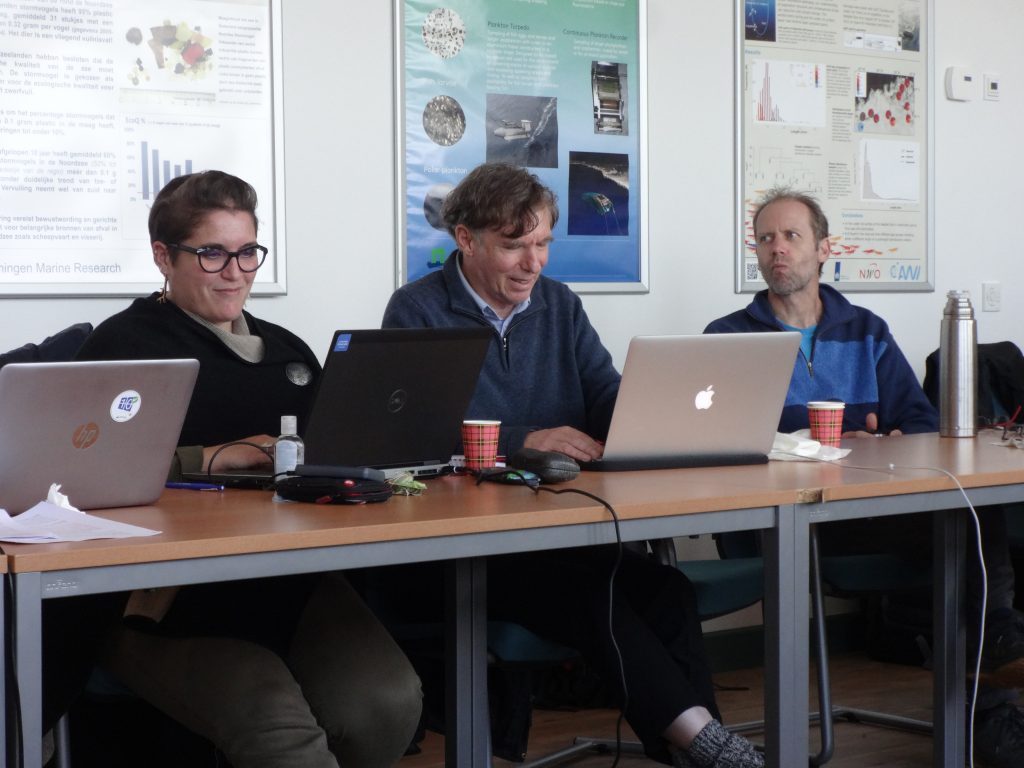
There are some specialised courses and workshops on cetacean biology and conservation, which are typically announced on mailing lists, such as MARMAM or ECS-talk, or on the home pages of relevant organisations, including here at Sea Watch Foundation.
Volunteering
The best way to learn more about careers in cetacean science is to volunteer for an organisation conducting research on cetaceans. As the competition for the few available positions is tough, the people with the most experience and most enthusiasm, are the ones who will eventually get the jobs. Here, at Sea Watch, we offer various opportunities to get involved in this way, including our two annual intern programmes.
How to find a job
Often, jobs are not widely advertised, and may be filled by persons who previously volunteered for that organisation, have impressed at the university in which they studied, through informal interview at a scientific conference, or from a recommendation by a respected colleague. In addition to what you know, who you know is frequently very important in finding a marine mammal job. It is valuable to keep an active network of marine mammal colleagues. Attending scientific conferences, such as the European Cetacean Society (ECS) annual conference is very useful for maintaining the network and identifying job opportunities. Electronic bulletin boards, such as MARMAM or ECS-talk announce upcoming jobs.
When looking for a job, make that fact known in these informal networks of marine mammal scientists. Many job opportunities are a matter of being in the right place at the right time. Controlling the right time is difficult, but obtain the appropriate education, be in the right place, and wait for the right time.
You may also find positions advertised on websites such as Environment Job, Countryside Jobs and WiseOceans.