
Whales, dolphins and porpoises do not observe national boundaries.
They can range over distances of several hundreds if not thousands of kilometres during their lifetime, even if they may return to the same locations year after year. It is therefore important that conservation measures are applied at an international scale.
Sea Watch Foundation has long championed the cause of international conservation. As long ago as 1987, its Director presided over the launch of the European Cetacean Society at its first meeting in Hirtshals, Denmark, becoming its founding Secretary. Following concerns for widespread declines in harbour porpoise populations, the society was established to bring countries in Europe together to promote the study and conservation of all marine mammals.
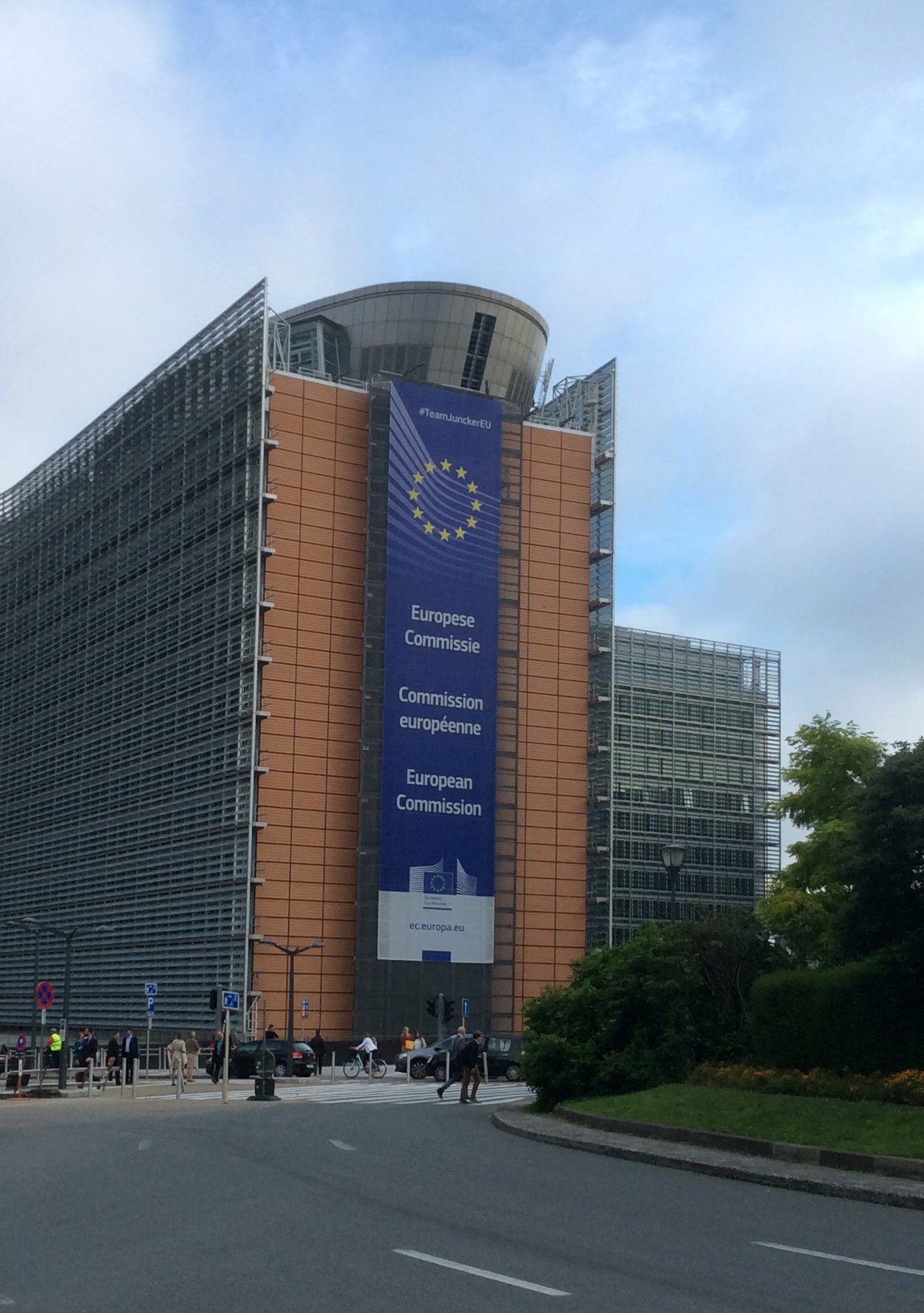
European Commission building
Over the last forty years, there have been several important nature conservation initiatives. In 1992, the European Union ratified the Habitats Directive to protect species and habitats in Europe. It established a network of marine protected areas for harbour porpoise and bottlenose dolphin as well as legislating for strict protection of all cetacean species due to their particular vulnerability to human pressures. This was followed by the Marine Strategy Framework Directive in 2008 requiring all European seas to be at good environmental status by 2030. Over the last 25 years, Sea Watch Foundation has worked closely with the European’s Commission’s Nature Unit within DG Environment to identify Special Areas of Conservation (SACs) for marine mammals and improve the management of these areas, as well as to assess risk of major human pressures such as fisheries bycatch that result in the deaths of thousands of animals every year.
On marine matters, particularly fisheries, the European Commission is advised by the International Council for the Exploration of the Sea (ICES). Within this body are several specialist working groups. Sea Watch Foundation is a member of the Working Group on Bycatch of Protected, Endangered and Threatened marine species (WGBYC), and its Director currently co-chairs the Working Group on Marine Mammal Ecology (WGMME).
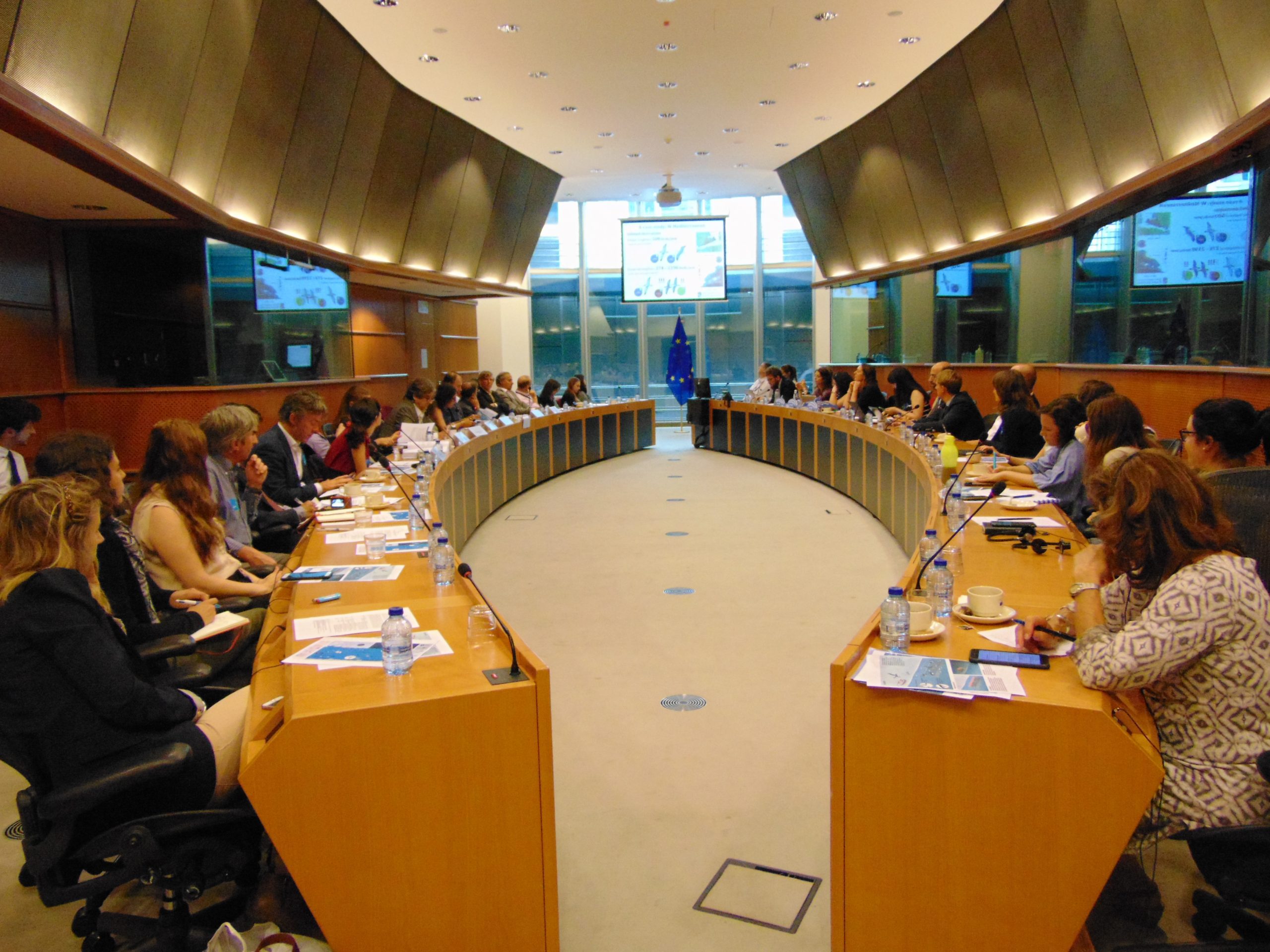
European Parliament meeting
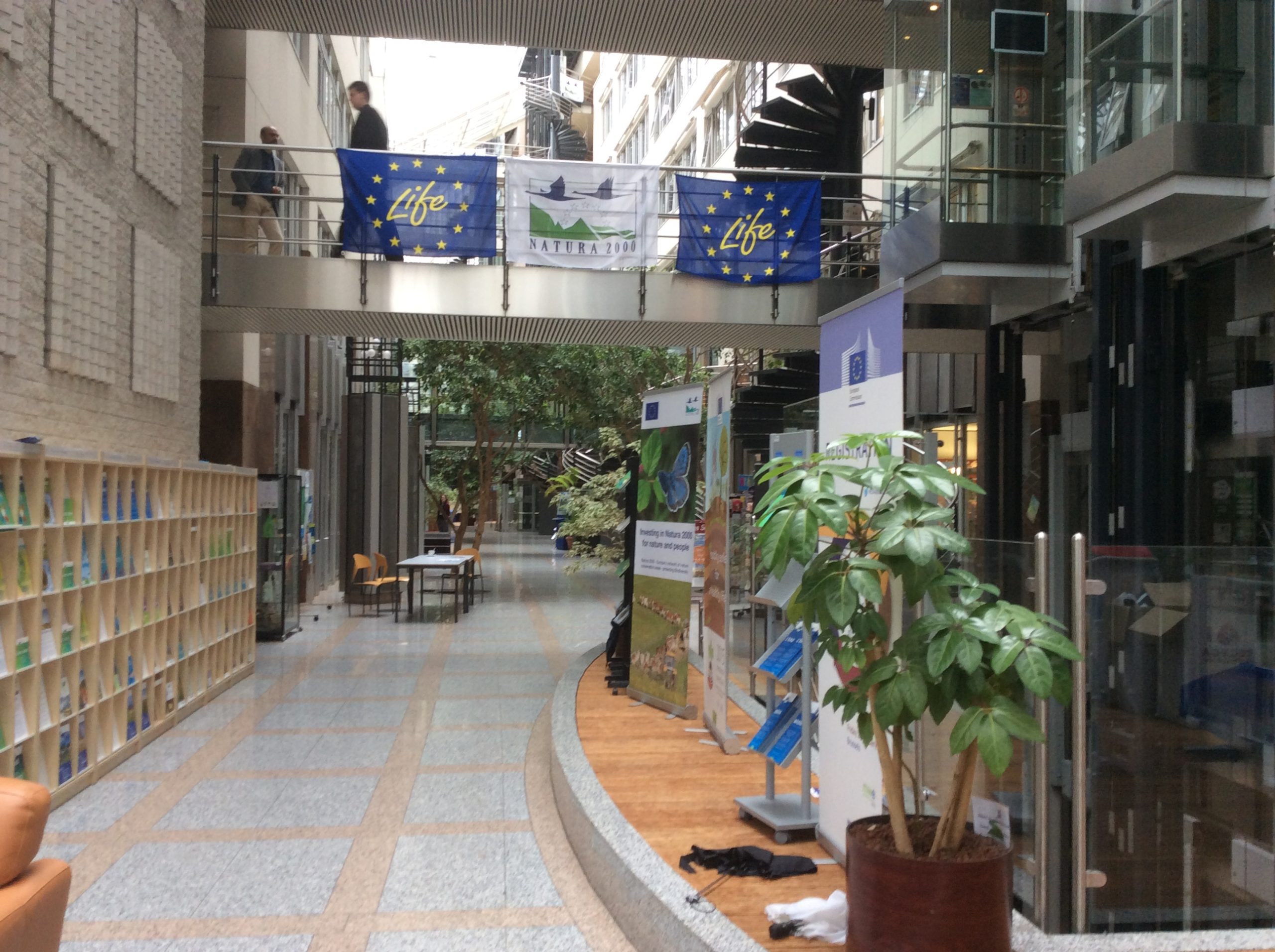
DG Environment, Brussels
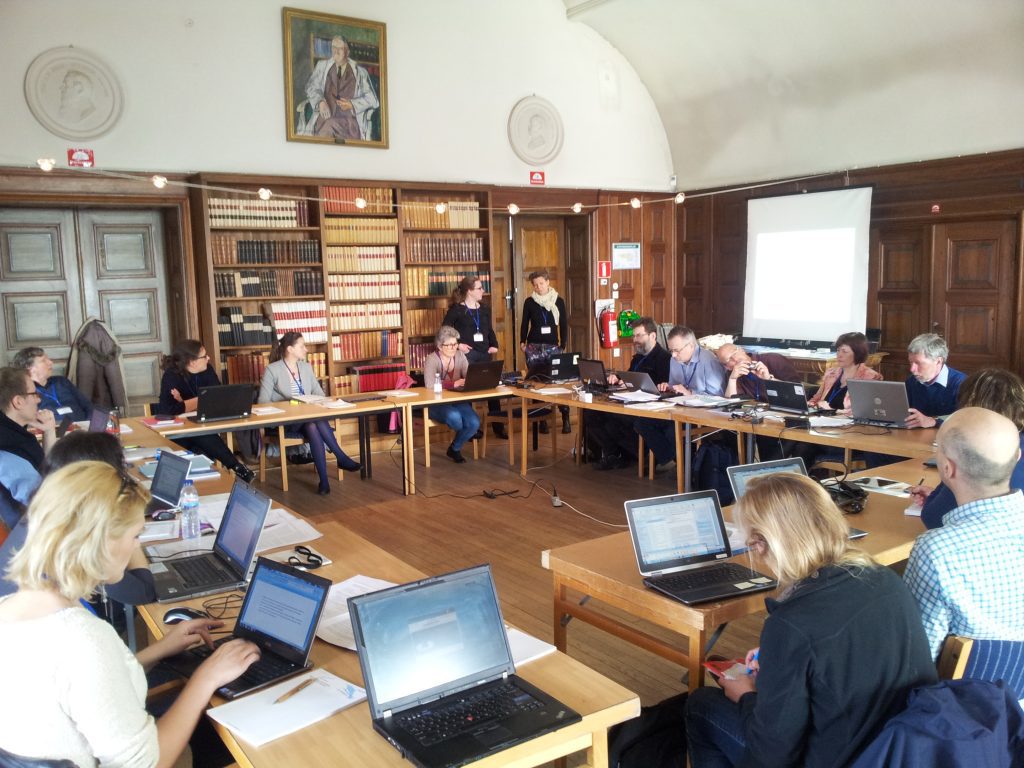
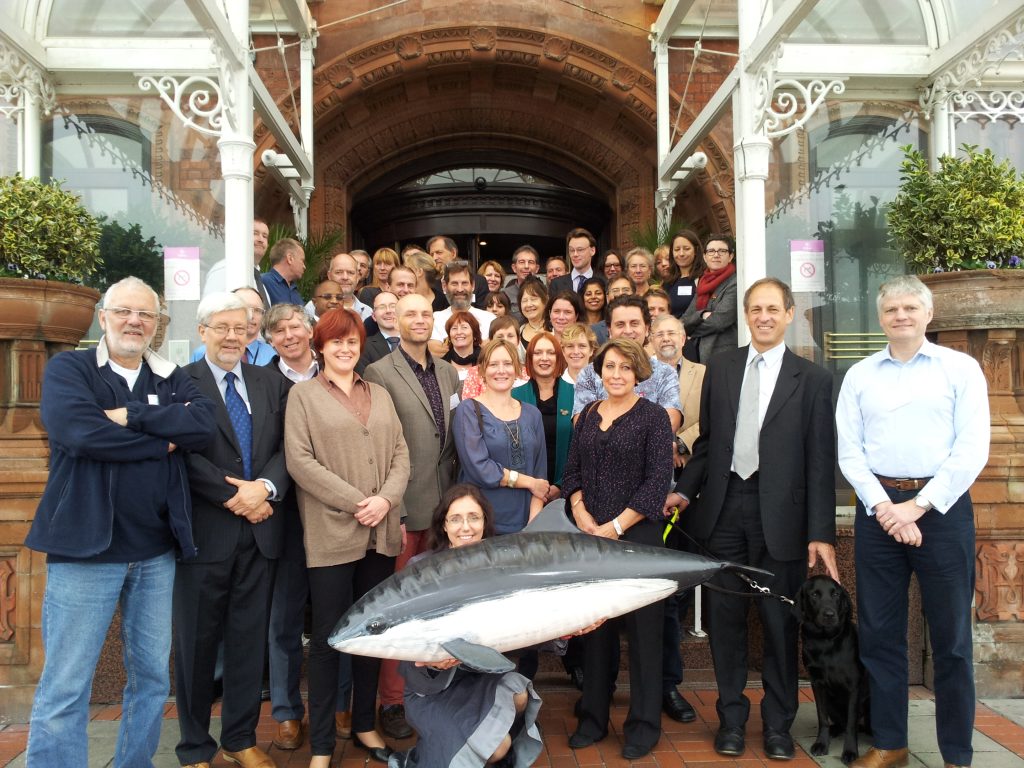
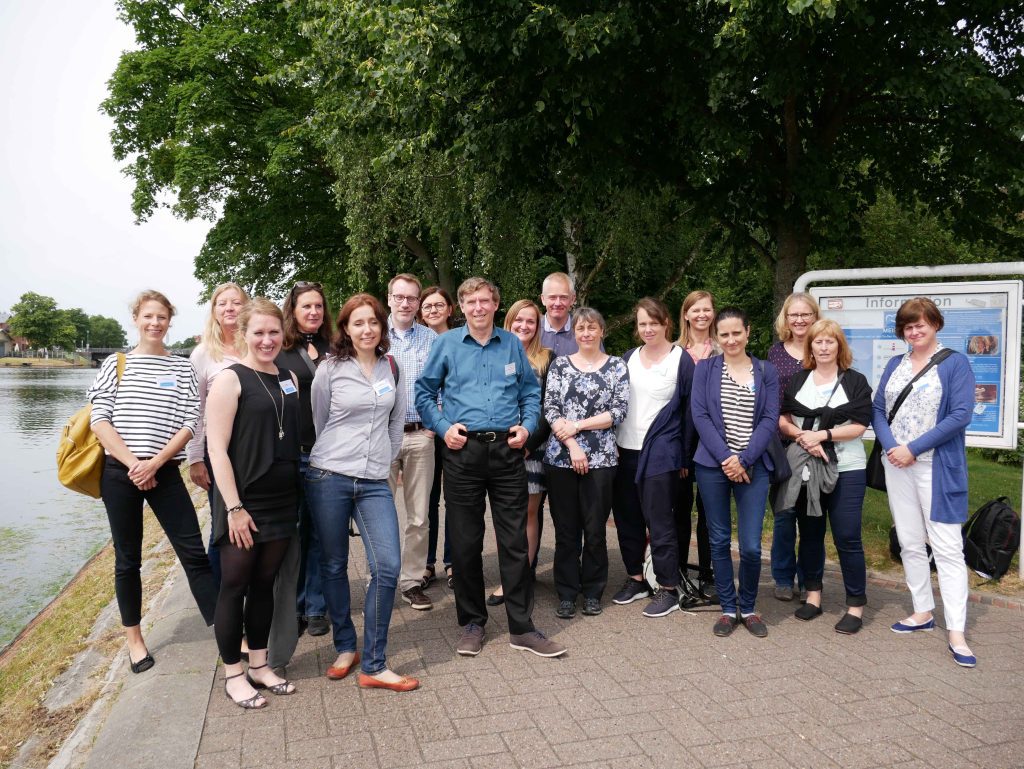
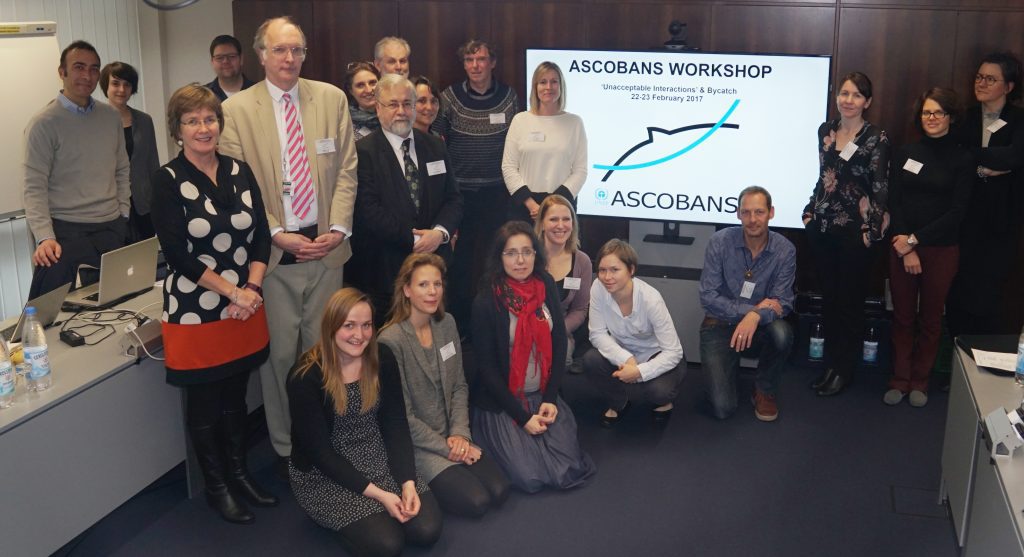
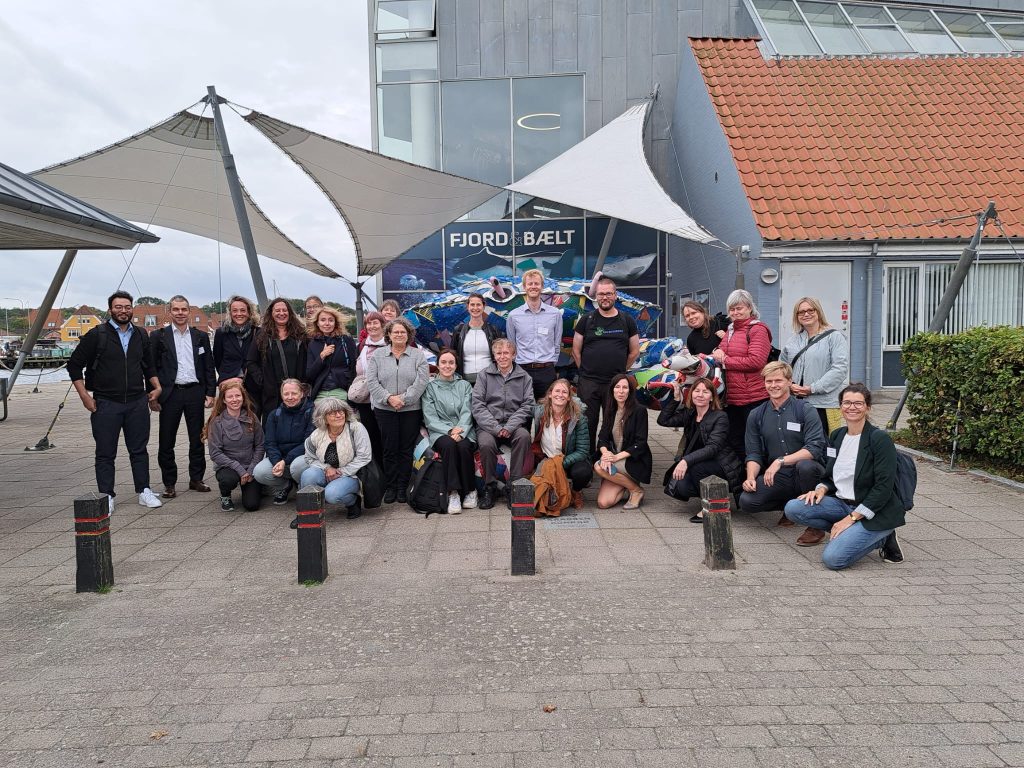
In 1992, following the signing of the Convention for the Conservation of Migratory Species (CMS), the United Nations Environmental Programme (UNEP), the Regional Agreement on the Conservation of Small Cetaceans of the Baltic, NE Atlantic, Irish & North Seas (ASCOBANS) was signed and ratified two years later. This legislative Agreement is the only one devoted to cetaceans in the region that includes the British Isles. Sea Watch Foundation has been very active within ASCOBANS since its inception, chairing several of its working groups, coordinating the Conservation Plan for the harbour porpoise in the North Sea and co-chairing the joint bycatch working group on bycatch with the sister agreement ACCOBAMS (Agreement for the Conservation of Cetaceans of the Black Sea, Mediterranean Sea and continuous Atlantic area).
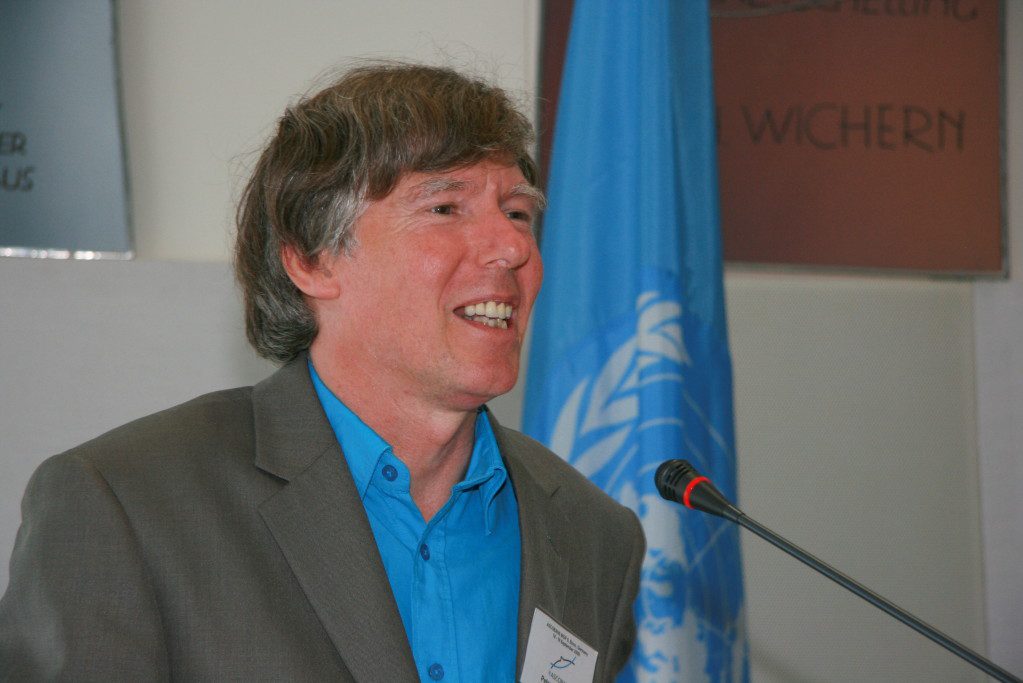
Peter speaking at the UN
The OSPAR Convention for the Protection of the Marine Environment of the NE Atlantic, signed in 1992, was ratified in 1998, and supports the implementation of the EU’s Marine Strategy Framework Directive. Where appropriate, Sea Watch Foundation regularly provides biological information on species (e.g. bottlenose dolphin) and threats (e.g. bycatch).
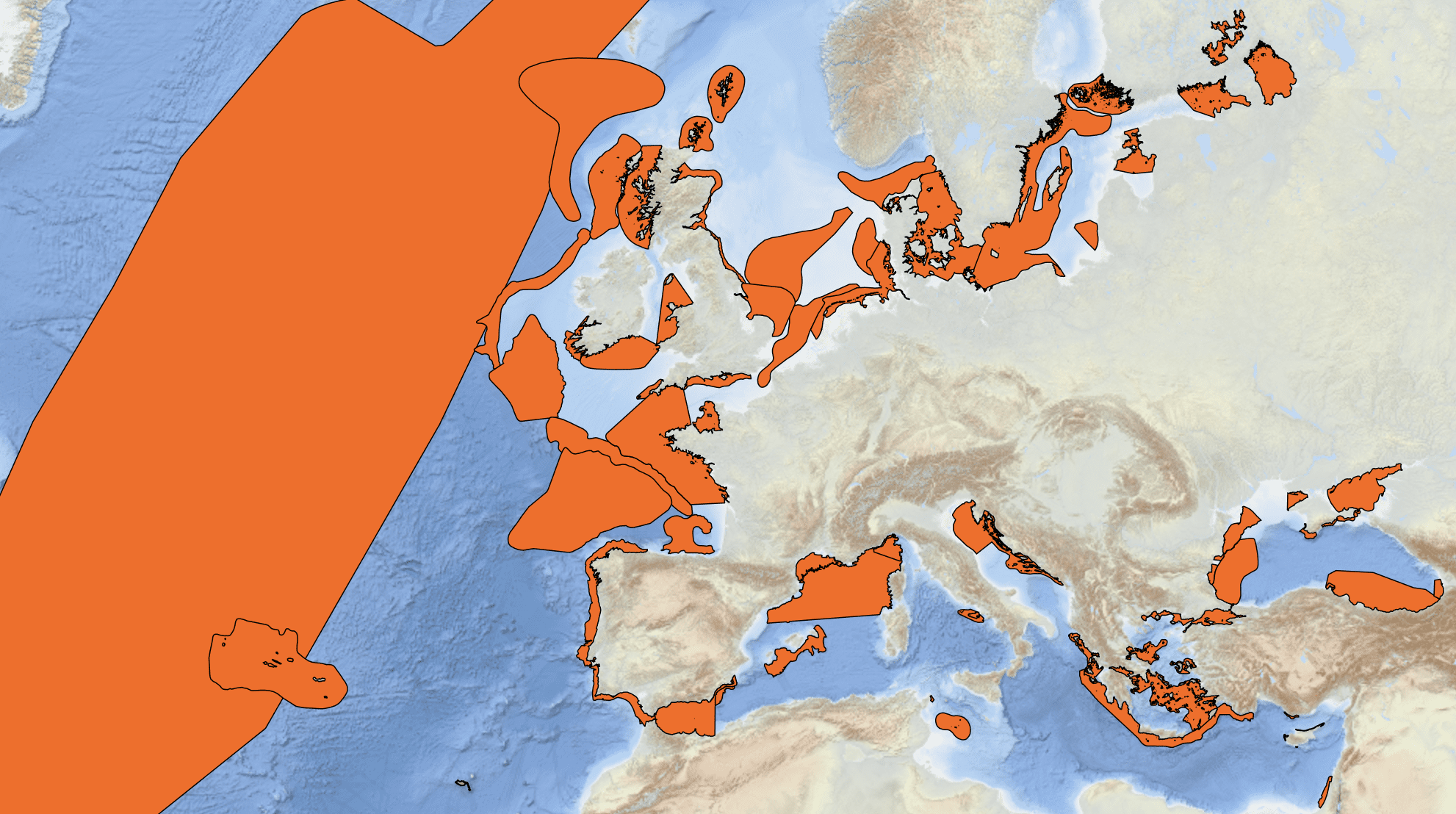
The International Union for the Conservation of Nature and Natural Resources (IUCN) has a Protected Areas Task Force, and in 2023 reviewed the North-East Atlantic, proposing Important Marine Mammal Areas (IMMAs) to highlight the need for area-based conservation measures in locations important to marine mammal species including where there is no formal legal protection. Sea Watch Foundation is a member of the Task Force and contributed to all the IMMAs identified around the British Isles.