Mar 1, 2021
By: Jay
This is the latest post in a series which will look at recent advancements, discoveries and trends in the study of whales and dolphins. We here at Sea Watch believe strongly in the free sharing and dissemination of scientific literature and want to give you, our loyal members, the breakdown of all that’s going on in the field.
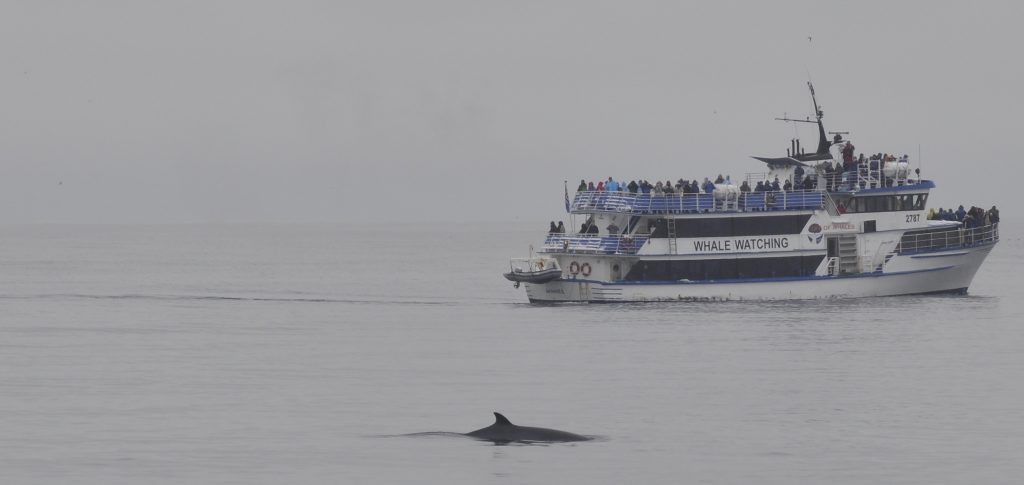
Whale-watching tours are a spectacular way to get closer to the cetaceans which we all love. With most tours taking place onboard small vessels with an experienced skipper who will use local knowledge and live communication from other vessels in the area to help pinpoint wild cetaceans roaming the waters.
Since the first commercial whale-watching tour in California over 65 years ago (Woods-Ballard et al. 2003), the industry has boomed and is now worth over $2 billion per year (Parsons 2012), and these trips have given us the opportunity to see whales and dolphins in their natural environment. In addition, these trips can give regular people the chance to see up close wild cetaceans and sneak peek into their personalities.
On-board whale-watching tours, tour guides have the chance to educate passengers about local flora and fauna, about the ecology and threats to local cetacean species, and to inform passengers about local research projects they might be collaborate with. Ultimately, these trips provide a positive take home message as well as memories which will last a lifetime.
However, could whale-watching activities produce some negative effects on the whales, dolphins & porpoises we love so much and observe from these platforms?
TheBenefitsofWhale-Watching
These trips can live long in the memory, and are capable of reshaping how people think about whales and dolphins, and help to foster a conservational mindset in the general public (Stanatioun et al. 2007). Boat tours educate those on board about the lives and struggles these creatures face. Ultimately providing a positive take home message as well as giving those on board more information about the threats cetaceans face, the research taking place in the local area and how they can help. The importance of this education and exposure in wildlife conservation is a key weapon in advancing governmental policies (Howard and Parsons 2006).
TheNegativeImpactsofWhale-Watching
While we know that a direct collision can occur between cetaceans and boats at sea, cetaceans can also be affected by boat traffic. These “sub-lethal” effects can have long term effects on individuals and overall populations (Parsons 2012).
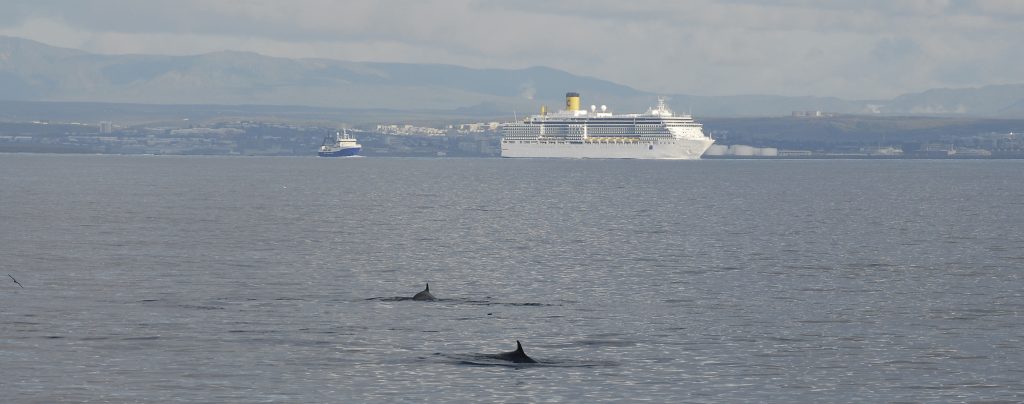
Multiple studies across the world have come to same conclusion that the presence of boats elicits a response from cetaceans (Senigaglia et al. 2016). The most common among these responses is avoidance behaviour which leads to a change in behaviour patterns. This could mean less time is spent feeding or less time spent resting, both of which can cause significant harm to the long-term health of cetacean populations.
Cetaceans live for a long time, have few offspring, and grow slowly, and they are known in ecology as “k-selected” species. As such, the survival of adults is prioritised over the need to have many offspring, which is the mayfly which has thousands of offspring but only lives briefly.
This prioritisation means the stress caused by tour boats is more likely to cause a fall in reproduction rate among cetaceans rather than killing prematurely the adults exposed by traffic (Christiansen et al. 2013). We do not want to harm our beloved gentle giants and by following Sea Watch’s guidelines is we can certainly avoid it.
SeaWatch’sGuidelines
By following the Sea Watch marine code of conduct, we can make sure that the negative impact on the wildlife is minimised while whale-watching passengers can cherish their experiences.
One way we can reduce stress on individuals is by ensuring that cetaceans are only approached when “receptive”. Bottlenose dolphins for example are one species known to approach vessels on their own accord (Sini et al. 2005); they are also known for their natural curiosity and enjoyment of bowriding.
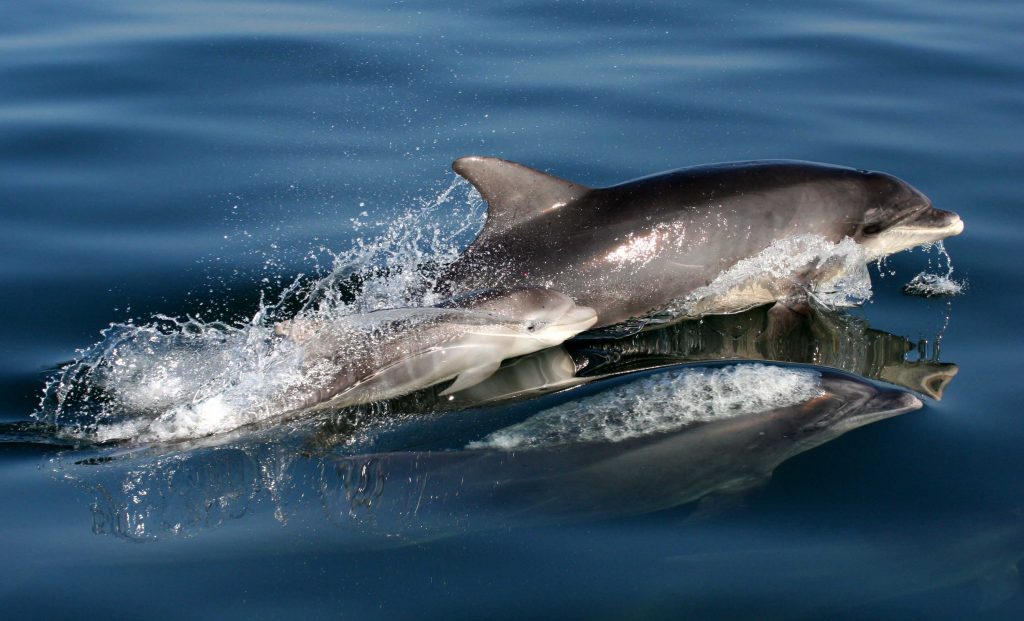
But sometimes cetaceans don’t want to be disturbed, and it is important not to force an encounter especially if dolphins exhibit avoidance behaviour, by telling us they do not want be around us.
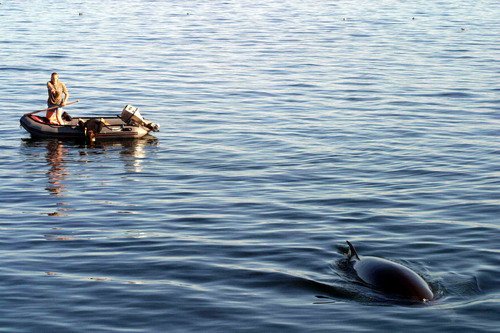
Another important to keep in mind is to avoid overcrowding cetaceans which might happen when there are multiple whale-watching boats out at the same time. It is also best not drive over 10 knots near dolphins which can get stressed easily with fast moving vessels nearby, and it is best to avoid driving through a group by splitting in up. Physical contact with cetaceans should also be avoided.
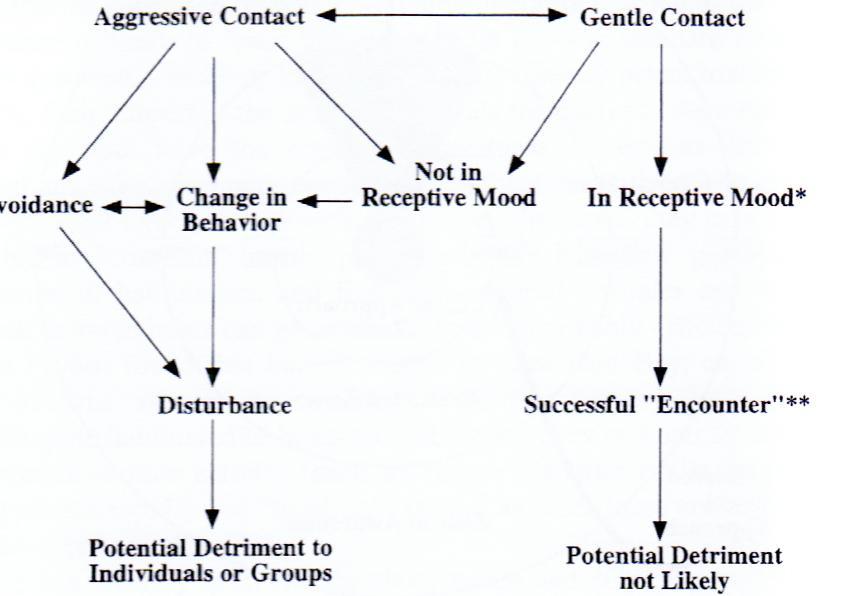
To learn more about how to approach cetaceans, we are inviting you to read through our guidelines.
If you are at sea and you encounter whales, dolphins or porpoises and you are not sure what to do, please get in touch with us! We are always happy to answer any questions you might have.
…Andremember,enjoyyourtrip!
Our network of recommended boat operators follow our marine code of conduct and they also provide Sea Watch with sightings and effort data (and photos!), gathering vital information which allow us to have all the tools with need to protect them in our waters.
When you are at sea, onboard one of our recommended boat operator trips or not, please enjoy your trip, and keep a keen good look out for cetaceans.
If you want to book a trip with one of our recommended boat operators, click here, your next adventure might already be on your doorstep!
Bibliography
Parsons, E.C.M., 2012 “The Negative Impacts of Whale-Watching” Journal of Marine Biology
