
Sep 05, 2025
by Charlie, Cassie, and Geraldine
The beginning of September marks Zero Waste Week – an annual awareness campaign to reassess our relationship with rubbish and reduce waste.
First, a brief introduction to the life story of plastics. Most plastics are made from crude oil, and their production results in the release of greenhouse gases, which contribute to global warming and climate change. We use plastic in nearly every aspect of life; for packaging food and making clothing, for manufacturing tools, toys and technology… the list goes on. But what happens to plastic when we are finished with it? Only 9% of plastic produced globally is recycled. In contrast, a staggering 70% of our plastic waste ends up in landfill or in nature.
Types of plastic pollution include macroplastics (>5mm in size) which enter the oceans via landfill, from littered beaches or as discarded fishing material, and microplastics (>5mm in size). Microplastics are categorised into primary and secondary microplastics (Figure 1). The former is plastic produced in a size smaller than 5mm, usually called pellets, which is the raw material for plastic products. Once in the ocean, pellets spilled into the ocean are called mermaid’s tears. Secondary plastics result from the breakdown of larger materials, including synthetic clothes.
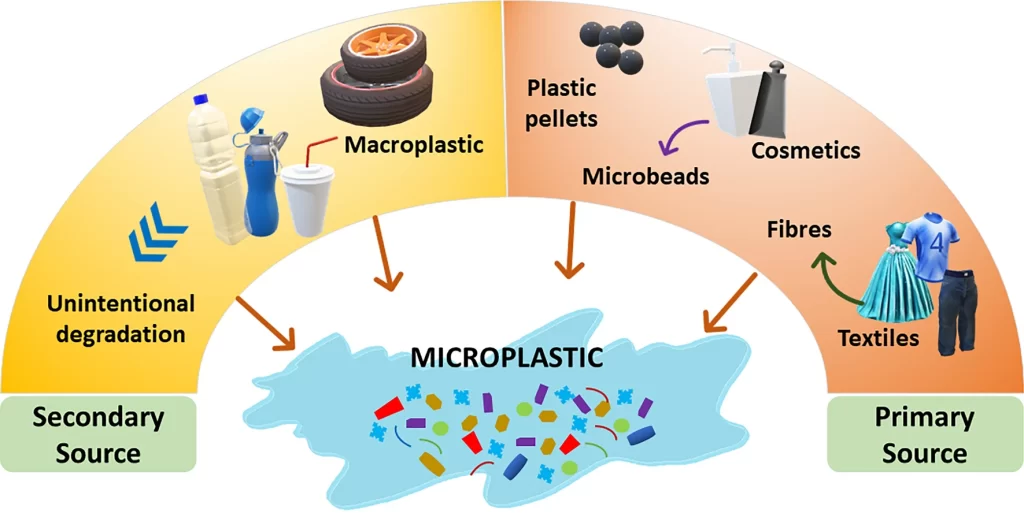
Figure 1. Sources of microplastics (Borah et al., 2023)
Plastic enters the natural environment through various sources, illustrated on Figure 2. Worldwide, the equivalent of 2000 garbage trucks full of plastic enters the ocean every day – that’s about 11 million tonnes of plastic per year! Unsurprisingly, the levels of plastic pollution in our oceans are increasing and causing harm to our wildlife.
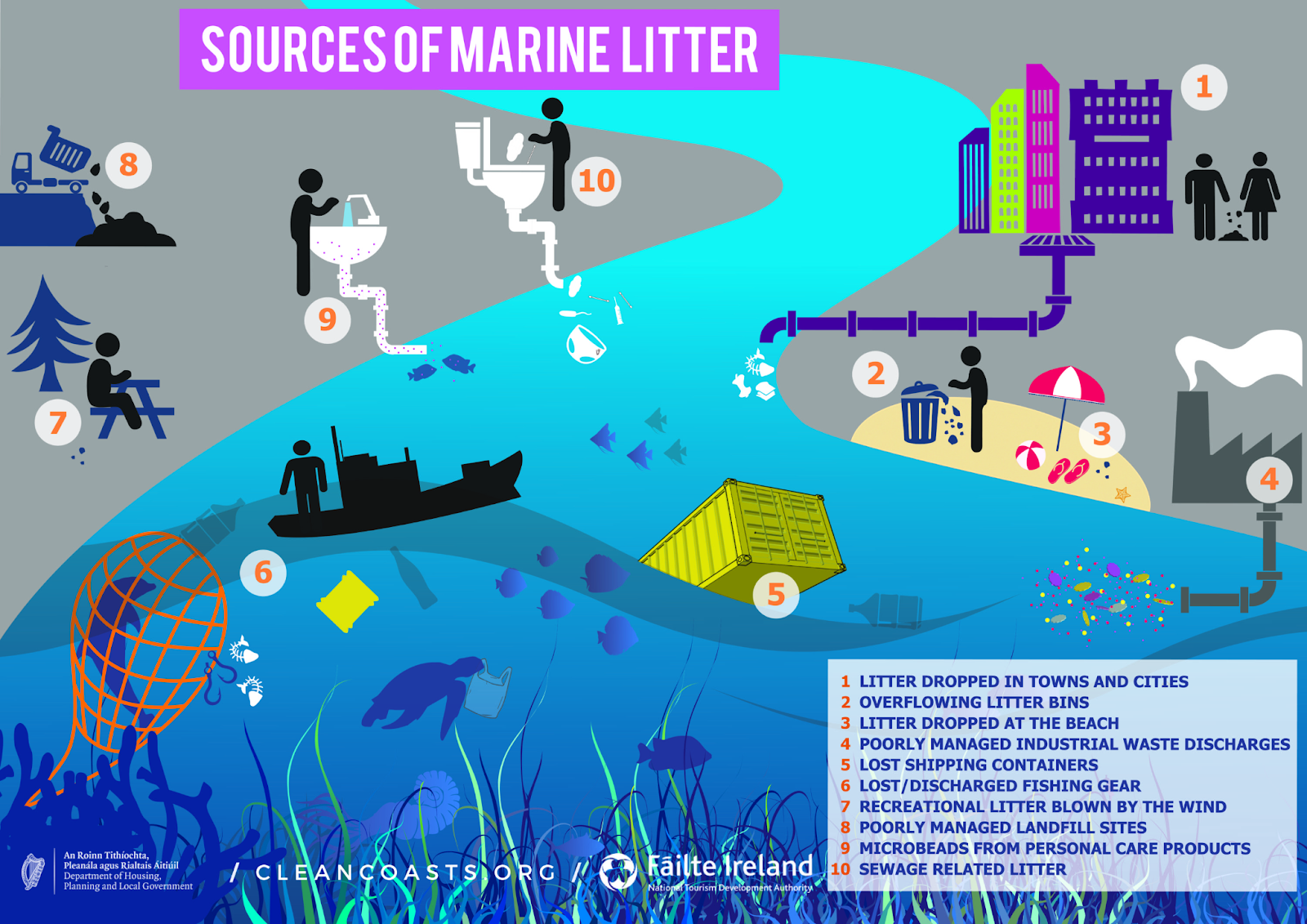
Figure 2. Pathways of plastic in the marine environment
Marine animals can get caught and tangled in plastics and become injured, or may mistake plastic for food, leading to choking or poisoning. A shocking 56% of cetacean species have been documented with plastic in their stomachs. For example, filter feeding blue whales can consume up to 10 million pieces of microplastic per day, both from the water column, and inside the krill they eat. Feeling full up on plastic, they may not feed enough and become malnourished.
Closer to home, numbers of the UK West Coast community of killer whales are declining because of plastic pollution. At the top of the food chain orcas are magnificent hunters, but every piece of plastic in the stomach of an orca’s prey, and in the stomach of an orca’s prey’s prey, ends up in the orca belly, in a process called bioaccumulation. As the consumed plastics break down in their stomachs, persistent, bio-accumulative, and toxic chemicals (aka PBTs) leach from their stomach into their blubber and affect their fertility and ability to reproduce.
Cetaceans are even breathing plastic – microplastics were found in the blow spray of dolphins in Sarasota Bay, Florida, and may be giving the dolphins respiratory problems.
To make matters worse, plastic does not break down for hundreds of years, and when it does, it only breaks into smaller pieces. In fact, every piece of plastic ever made is still with us, in some way or another.
But have hope! It’s not all doom and gloom – we’ve got the power to make a change. Our best way to prevent plastic pollution is to stop using it and to stop making it in the first place. If we aren’t making plastic, we don’t need to worry about disposing of it appropriately. The Plastic Free Foundation has launched Plastic Free July, a campaign to reduce public consumption of single-use plastic, by inspiring people to change up their daily habits. We want you to take part! This doesn’t mean you have to banish all plastic from your life (although, that would be impressive); it’s the small changes that collectively make a big difference.
So where do we start? Here are our three best suggestions.
1 – reduce our consumption of single use packaging plastics. Nearly 40% of plastic waste comes from packaging – that is a huge proportion! It may also be the proportion which is most easily targeted for reduction by the public. Our shopping choices influence how big companies (and big plastic producers) decide to package and sell their products. Let’s keep it simple. This month, I’m going to keep a clean thermos in my bag, so that when I want a coffee on the go, I do not buy a single-use plastic coffee cup. When I go grocery shopping, I’m going to avoid buying fruit and vegetables wrapped in plastic, and bring my own tuber ware to store lose berries and grains in. Want to take it a step further? Use beeswax sheets and reusable tuber ware, instead of clingfilm, to wrap up your packed lunches, or buy toilet roll wrapped in paper instead of plastic.
2 – buy less clothing made from plastics. About 60% of material made into clothing is plastic. Every time these clothes are washed, they shed microplastic fibres, which end up in the water system and our oceans. Every year, enough plastic to make almost 3 billion polyester shirts is shed from our laundry alone and ends up polluting our ocean. We can reduce this form of plastic pollution by supporting a more sustainable fashion industry. This means buying clothes second hand, to prevent clothing from being wasted, and avoiding buying new clothes that have been made with plastic fibres such as nylon and polyester. Some companies are trying to reduce their plastic waste – check out more sustainable brands that use paper packaging to transport their wares! Even washing your clothes less, so that they last longer, is a good way to prevent microplastics from entering the ocean.
3 – get involved with local beach cleans! The less plastic pollution on our beaches, the less in our seas, and the less affecting our marine wildlife. The Marine Conservation Society, and Surfers Against Sewage, can help you to plan a beach clean in your local area. The plastic you collect can be re-used or recycled. Get creative! Artists from around the world are now making incredible art works from plastics collected from beaches, repurposing plastics and raising awareness of plastic pollution at the same time. On Saturday 20th of September, Sea Watch Foundation will be hosting a Great British Beach Clean in New Quay, Wales!
Lastly, we would love to hear from you. Let us know how you are going to reduce your plastic waste and keep an eye on our social media, to find out when you can join us at our beach clean events!
References
https://www.plasticfreejuly.org/
https://stories.undp.org/why-arent-we-recycling-more-plastic
https://www.unep.org/plastic-pollution
https://www.bpf.co.uk/plastipedia/how-is-plastic-made.aspx
https://www.unep.org/news-and-stories/story/everything-you-need-know-about-plastic-pollution
https://www.eea.europa.eu/en/analysis/maps-and-charts/nearly-40-percent-of-plastic
https://www.sas.org.uk/plastic-pollution/plastic-pollution-facts-figures/
https://oceanblueproject.org/ocean-plastic-pollution-facts/
https://www.nature.com/articles/s41467-022-33334-5
https://sarasotadolphin.org/microplastics-dolphin-breath/
https://www.science.org/doi/abs/10.1126/science.aat1953
https://www.mcsuk.org/what-you-can-do/join-a-beach-clean/
https://www.unep.org/news-and-stories/story/fashions-tiny-hidden-secret
