
May 18, 2021
By: Jay
This is the latest post in a series which will look at recent advancements, discoveries and trends in the study of whales and dolphins. We here at Sea Watch believe strongly in the free sharing and dissemination of scientific literature and want to give you, our loyal members, the breakdown of all that’s going on in the field.
Just a mention of them makes our heads itch, but it’s not just people who suffer at the hands of lice. Cetaceans, too, are often the victims of lice and other parasites, the scars from the creatures that attach themselves to the whales (along with the parasites themselves) are regularly spotted on whales and dolphins alike. In fact, these scars are a helpful way to distinguish individual cetaceans from one another (Bertulli et al., 2013). The duration of attachment varies between parasite species, as does the effect on the host cetacean. So who are the top parasitic suspects when it comes to leeching off cetaceans?
WhaleLice
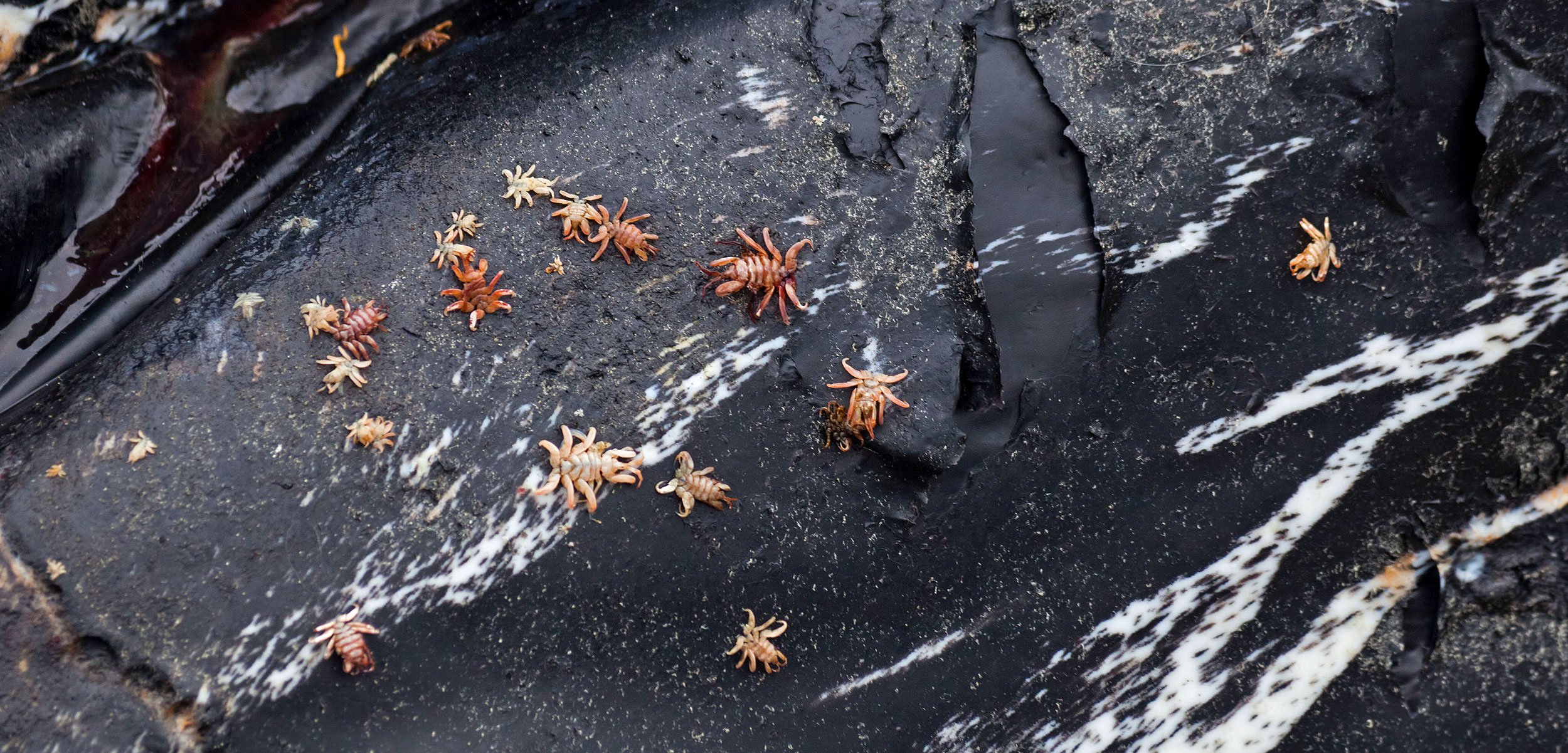
Despite these giants not being related to human dwelling lice, and growing up to an inch long, it is their physical and behavioural tendencies that have earned their moniker. The full life cycle of these lice isn’t fully understood, but they are believed to lack a free swimming phase, meaning the transmission of lice from whale to whale must be through physical contact (Lehnert et al., 2021). More common on baleen whales, whale lice come in a variety of shapes and sizes, with a unique species associated with each cetacean species (Pfeiffer, 2009). Some whale lice are so specialized that they only attach to whales not only of a specific species, but also of a specific gender (Pfeiffer, 2009). Recent studies have found a prevalence of a more generalist whale louse species on harbour porpoise and pilot whales in the North Sea (Lehnert et al., 2021).
WhaleBarnacle
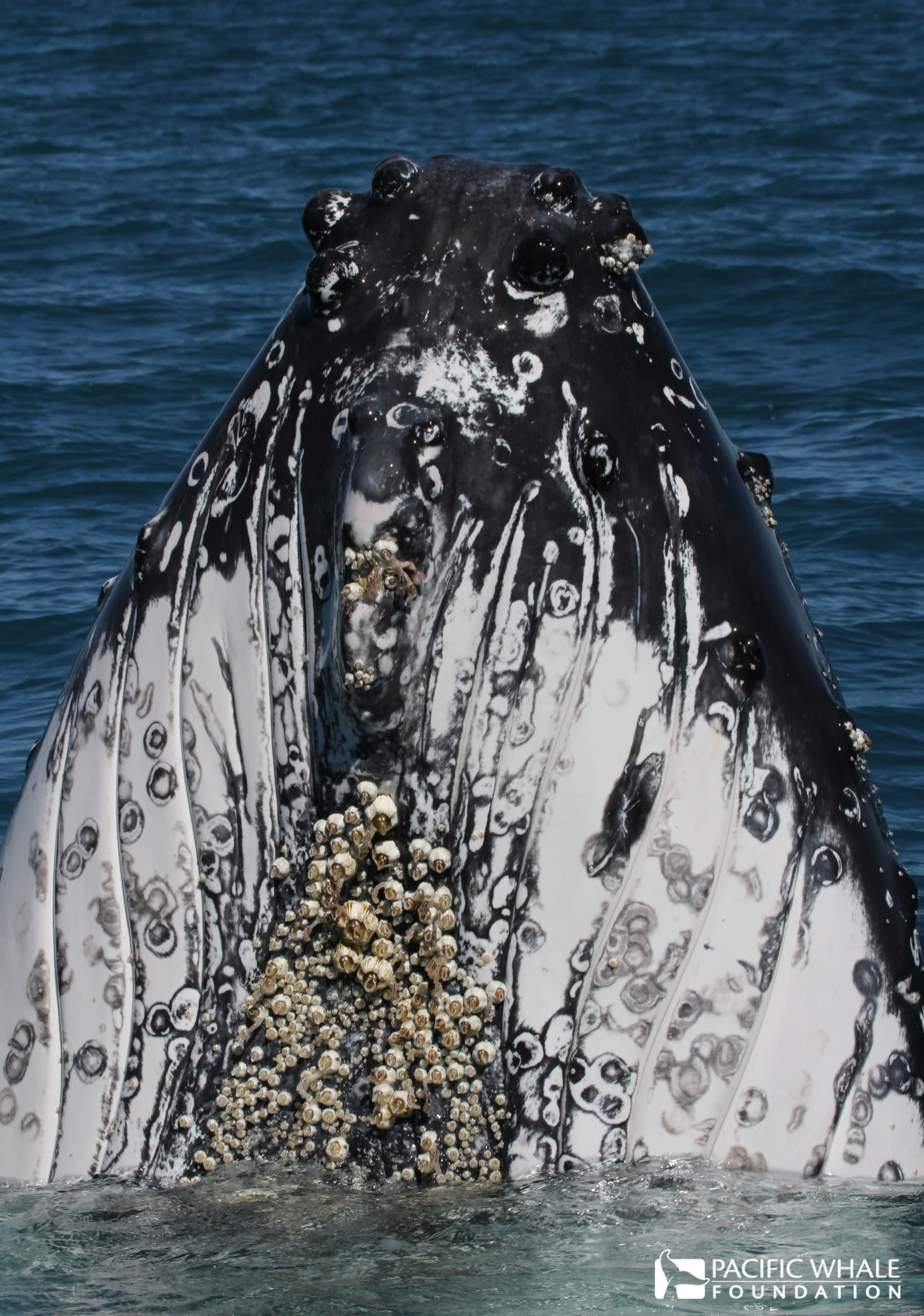
When most people picture many of the great baleen whales, they imagine the weather weary chins of the barnacled wanderer. What many don’t consider, however, is that these barnacles could be considered a parasite. While the whale barnacle does not feed directly from the whales, they do use these nomadic giants as a means of transport and anchorage, allowing the barnacle to filter feed in the plankton rich waters that the whales frequent. While this relationship may seem unharmful to the whales, it is suggested that the increased drag from the barnacles may be a significant drain on the hosts (Dominici et al., 2011).
Xenobalanusglobicipitis
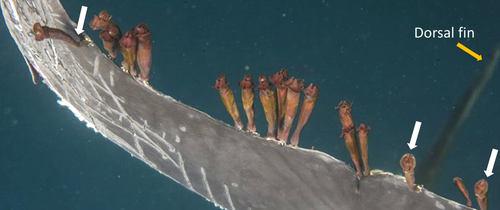
Xenobalanus globicipitis, also known as the tassel barnacleis probably the most globally prevalent cetacean parasite and, much like it’s cousin the whale barnacle, doesn’t actually feed directly on cetaceans. They too use the mammals as a transport and means of anchoring themselves (Sciliano et al., 2020). Unlike the whale barnacle, however, the negative impact of this barnacle species is obvious. Their long flowing stalks create large amounts of drag, and are often attached to body parts essential to swimming, particularly the trailing edge of fins (Toth-Brown & Hohn 2007), and have been observed to cause visible distress to wild individuals (Carillo et al., 2015).
Lamprey
Probably the most conspicuous of cetacean parasites, the sea lamprey is an anadromous fish meaning that, much like salmon, the lamprey live most of their life in the sea and swim into freshwater to spawn. Also known as the “vampire fish” the lamprey’s vicious reputation for bloodsucking is merited, with cetaceans of all shapes and sizes regularly spotted with lampreys attached or with blood pouring from fresh wounds caused by them during the summer months when the territories of the lampreys and whales overlap (Nichols & Tscherter 2011). Growing over a metre in length, these eel-like fish are capable of rapid bursts of speed which allow them to catch up with, and even work their way up the body of, swimming cetaceans (Nichols & Tscherter 2011).
CookieCutterShark
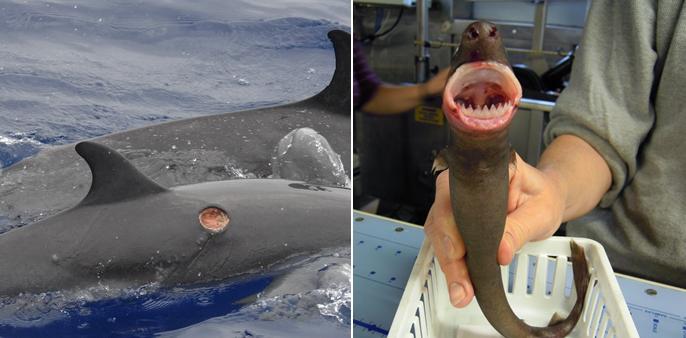
Another non-traditional parasite, one could argue that the cookie cutter shark is not a parasite at all, but rather something that predates upon the whales. The cookie cutter is named after its unique feeding behaviour. Using its razor sharp jaws and incredible agility, the shark takes a chunk out of larger free swimming animals, by first biting, then creating a vacuum within its mouth and spinning it’s body to slice off a chunk of flesh (Dwyer & Visser 2011). This action leaves a circular crater, or cut out piece of flesh, resembling the imprint of a cookie cutter (Best & Photopoulou 2016) and is the single most common mark on North Atlantic minke whales (Bertulli et al., 2013). It’s not just cetaceans who are at risk from cookie cutters, the majority of shark, seal and large fish species are also known to be victims of these dexterous parasites (Hoyos-Padilla et al., 2013; Perez-Zayas et al., 2002).
Copepods
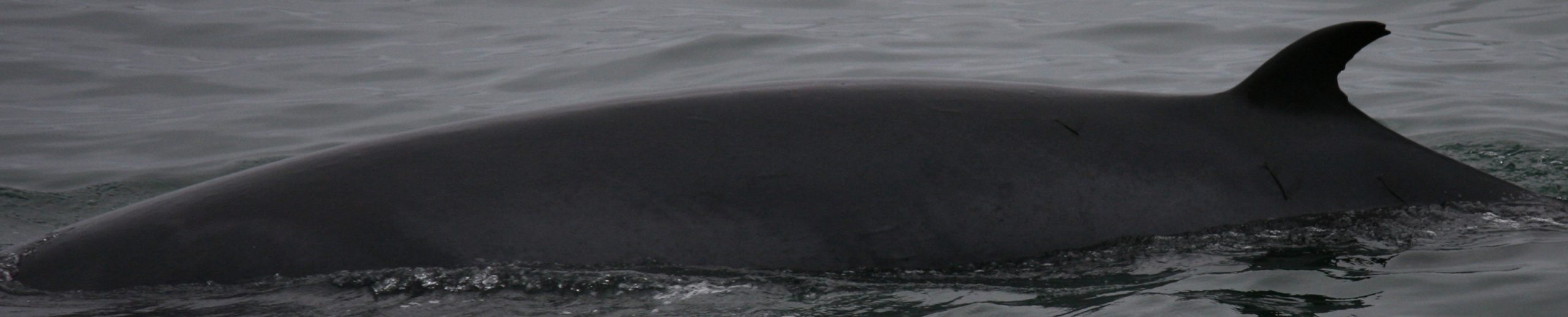
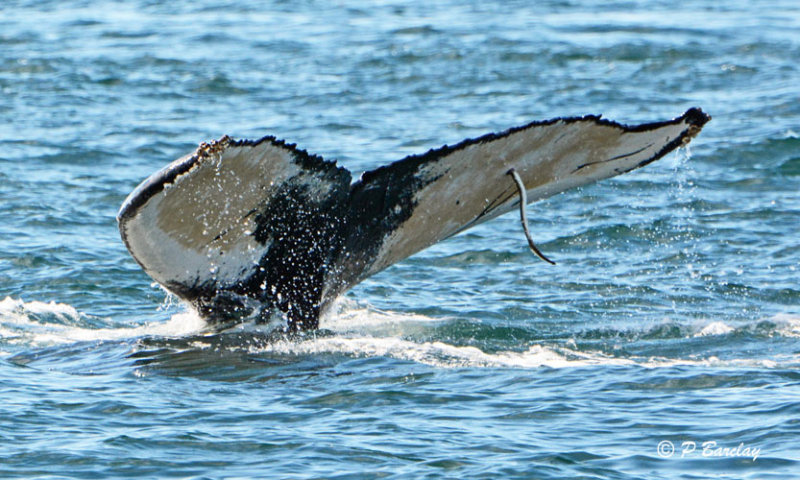
Copepods are a group of small crustaceans among the most common of organisms in the world. Found in almost every body of water, copepods form a vital part of the zooplankton community across the ocean, but some species have become specialised parasites. Two of these groups in particular are issues for cetaceans. The first are Caligid copepods, otherwise known as sea lice, these parasites are a problem for almost all marine mammal and fish species and are known to be a major issue in aquacultured salmon (Marty et al., 2010). The sea lice are strong swimmers and are capable of attaching to free swimming cetaceans, though they mainly attach during the summer months. The other copepod which can cause issues for cetaceans is the Pennella balaenopterae, the largest mesoparasite known (Vecchione & Aznar 2008). These filaments like organisms may often be mistaken for a stray piece of rope hanging from the flank of a dolphin, and their life cycle, too, is poorly understood. Infection by Pennella, however, does seem to be linked with the health of the individual host, and is known to increase in populations hit by disease (such as morbillivirus) or contaminants (such as PCBs) (Vecchione & Aznar 2008).
| Species | Size | Feeding Mechanism | Duration of Attatchment |
| Whale Lice | Up to 2.5cm | Flaking skin, open wounds or algae | Approx 1 year |
| Whale Barnacle | 5 – 8cm | Filter Feed | Approx 1 year |
| Xenobalanus globicipitis | Around 30cm | Filter Feed | Approx 1 year |
| Sea Lamprey | Up to 120cm | Cetacean blood | Varies from hours to days |
| Cookie Cutter Shark | Up to 50cm | Chunks of flesh | Minutes |
| Caligid Copepod (Sea lice) | Up to 4cm | Body tissues or fluids | 6 months – 1 year |
| Pennella sp. | Up to 30cm | Body Tissue | Approx 1 year possibly longer |
Most of these parasites leave cetaceans with scars and marks, which can actually be very helpful in identifying individuals in the wild (Bertulli et al., 2012). While carrying these parasites (and, consequently, the identifying scars) is in no way helpful for the whales, it does make population and other studies easier for scientists. In addition, these parasites are more prevalent in diseased cetacean populations or highly polluted areas, meaning the rate of parasitism could be used as an indicator of under threat populations, helping ocean conservationists identify at risk areas.
Bibliography
Pfeiffer, C.J., 2009. Whale lice. In Encyclopedia of Marine Mammals (pp. 1220-1223). Academic Press.
