Sea Watch Foundation is a national charity working to improve the conservation and protection of whales, dolphins and porpoises in British and Irish waters.
Cetaceans face ever increasing human pressures, placing them at risk of population declines and even local extinctions due to continuous threats to them and their habitats. These threats include capture and drowning in fishing gear, sound disturbance, marine pollution, over-fishing, and habitat destruction.
OUR AIMS
- Monitoring the numbers and locations of whales and dolphins in order to gain valuable knowledge of the health of our marine environment, and insight into the effects of chemical pollution, noise disturbance, over-fishing, accidental capture in fishing gear and climate change.
- Involving the public in scientific monitoring.
- Raising awareness and understanding of marine mammals and the threats they face.
- Educating, informing and advising for better environmental protection.
OUR WORK
Sea Watch Foundation, through its continuous programme of research and monitoring, provides invaluable information on changes to the status and distribution of cetacean populations and the condition of their habitats. This is used to raise awareness of any issues and prompt environmental change to help conserve and protect these fascinating creatures.
Sea Watch’s work could not be completed without the help of numerous hard-working volunteers, both in the office and in the field. There is also a network of regional coordinators and volunteer observers all around the UK coastline who are dedicated to providing data and support to Sea Watch through recording and reporting all sightings of whales, dolphins and porpoises.
The information gathered by Sea Watch and our network of observers has been the primary source of knowledge ‘for over 50 years’ about the relative status and distribution of cetacean around the British Isles.
Conservation and protection
We work with environmental and government bodies to provide information, data and evidence leading to the better protection and conservation of cetacean populations in British and Irish waters. We provide a comprehensive system of continuous surveying and monitoring, crucial for monitoring populations and providing insight on the status of species populations, their distribution patterns, behavioural responses to human activity, and effects on reproduction.
Statutory Management Authorities
Sea Watch Foundation is committed to improving and sustaining the status of cetacean populations in British and Irish waters. We provide information, data and evidence to multiple management bodies on the status and threats to cetaceans.
Joint Cetacean Database Programme
We are currently working with the UK Government’s Conservation Advisors, Joint Nature Conservation Committee, and NGO’s on the Joint Cetacean Database Programme. This programme brings together survey data from all the main NGOs and research groups to help provide evidence for population changes and identify important areas for conservation and management. To find out more about this project visit the JNCC website here.
Reduction of accidental killing
We are members of expert working groups guiding proposals to reduce accidental entanglement of dolphins and porpoises in fishing gear. The European Commission aims to take emergency measures to protect the endangered harbour porpoise population in the Baltic, and common dolphins in the Bay of Biscay.
UK Based Conservation
At Sea Watch Foundation, we study and conserve the local populations of cetaceans in Cardigan Bay, operating out of our field office in New Quay, Ceredigion. We also work with a variety of research organisations across the UK to improve the status of marine mammals and birds.
Centre for Ecology and Hydrology (CEH)
Working with the Centre for Ecology and Hydrology based in Edinburgh, we are examining responses to climate change of marine birds and mammals in Scotland on behalf of the Scottish Government (Marine Scotland). The aim is to be able to predict how different species will be affected by climate warming over the coming decades so that appropriate action can be taken to safeguard populations.
Hebridean Whale and Dolphin Trust
We currently collaborate with the Hebridean Whale & Dolphin Trust and pathologists from the Scottish Agricultural College, in Inverness, who run the Scottish Strandings scheme. The aim is to investigate the risk to minke whales and humpbacks from entanglement in creel lines around Scotland, and our role is to provide data on their distribution and abundance.
International Conservation
We are also coordinating with conservation groups internationally, by using our invaluable information on surveying and managing cetacean populations.
International Conservation Action Plans for Harbour Porpoise
We currently coordinate the Action Plan for harbour porpoise conservation in the North Sea on behalf of the United Nations Environmental Programme’s intergovernmental conservation agreement called ASCOBANS.
International Working Group to reduce Cetacean Bycatch
Our Director co-chairs the ASCOBANS-ACCOBAMS Joint Working Group on bycatch covering all of European waters and whose aim is to work together to reduce accidental entanglement of whales, dolphins and porpoises in fishing gear across Europe.
To read more about the threats of bycatch and other threats to cetaceans visit our threats page here.
International Project Steering Group
Our Director serves on an International Project Steering Group advising on research into the Population Consequences of Disturbance upon marine mammals globally through the Joint Industry Program on Sound & Marine Life. The team leading the work is based at the University of Santa Cruz in California. One of the study species is the harbour porpoise in European seas.
Scientific research
We initiate projects throughout the UK to produce evidence-based scientific papers and reports on the marine mammals in British and Irish waters.
To find out more on our research and published papers, please click here.
Awards and achievements
- Sea Watch Director, Peter Evans, received the European Cetacean Society Conservation Award, 2012, and in 2015 was voted one of the top 50 most influential conservationists in Britain by a team of experts for BBC Wildlife
- Sea Watch Foundation was recipient of the UNEP/ASCOBANS “Outreach and Education Award”, 2009
- Sea Watch Foundation was voted best UK animal adoption scheme by BBC Wildlife, December 2008
- A Status Review, commissioned to Sea Watch Foundation by the UK Nature Conservancy in 1986, provided the harbour porpoise and bottlenose dolphin with special status under the Wildlife and Countryside Act
- Submissions by Sea Watch Foundation to the North Sea Conference and UK North Sea Forum contributed directly to a new international Agreement for the Conservation of Small Cetaceans in the Baltic and North Seas (ASCOBANS)
- Sea Watch Director, Peter Evans, was one of four to establish the European Cetacean Society in 1987, becoming the founding Secretary and later Chairman.
- A collaborative effort between the Joint Nature Conservation Committee, Sea Mammal Research Unit and Sea Watch Foundation led to the production of the only existing Distribution Atlas for cetaceans in NW Europe. This has served as the major reference for environmental impact assessments of human activities throughout the region for two decades
- Sea Watch Foundation research studies of bottlenose dolphins helped lead to two areas in Cardigan Bay being designated as Special Areas of Conservation (SAC) for the species. Since 2001, the organisation has monitored the bottlenose dolphin population, providing data for the Welsh Government through Natural Resources Wales
- Sea Watch Foundation was commissioned in 2015-16 by the Joint Nature Conservation Committee to identify areas of high concentration of harbour porpoise and bottlenose dolphin for designation of Natura 2000 sites in UK waters under the EU Habitats and Species Directive. Following the UK’s departure from the European Union, these remain as marine protected areas through the Conservation of Habitats & Species Regulations (2017).
- Sea Watch Foundation, in collaboration with Bangor University, as part of the five-year Marine Ecosystems Research Project funded by the Natural Environment Research Council (NERC) and UK Department for Environment, Food and Rural Affairs (Defra), collated survey data from across NW European shelf seas to produce new distribution maps in 2019 for all the major cetacean and seabird species in the region.
- Sea Watch Foundation has produced reports and specialist advice for the European Commission, European Cetacean Society, UK Department of the Environment, UK International Association of Oil & Gas Producers, OSPAR, and ASCOBANS, assessing the threats to cetaceans from particular human activities, and the role that protected areas can play in conservation.
Education
We provide general information and more detailed fact sheets, deliver talks and lectures to schools, universities and regional communities, and aim to keep the public regularly informed on marine mammal research. Check our our Education Materials and Information and Fact Sheets.
Our History
Sea Watch Foundation was founded as a charity and a limited company in 1991 by Dr Peter Evans, in association with Paul Vodden (who for several years had been involved in animal welfare and conservation, working for the RSPCA, Greenpeace and the Whale and Dolphin Conservation Society).
The aim was to create a more formal framework for the work of the Mammal Society’s Cetacean Group, set up by Dr Evans in 1973 to find out more about cetaceans (whales, dolphins and porpoises) in British and Irish waters by involving the public in the study of living wild animals. Previously, scientific knowledge was derived entirely from the examination of dead animals that had been stranded ashore or the target of whaling activities.
The charity has grown steadily ever since and we now have three offices, two on Anglesey and one in New Quay (West Wales), with bases also in England (Cornwall) and Scotland (Inverclyde). We conduct fieldwork from these offices as well as managing work across other parts of the UK, primarily through our Sightings Network.
MEET THE TEAM
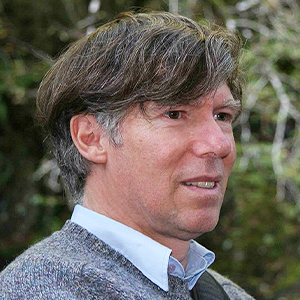
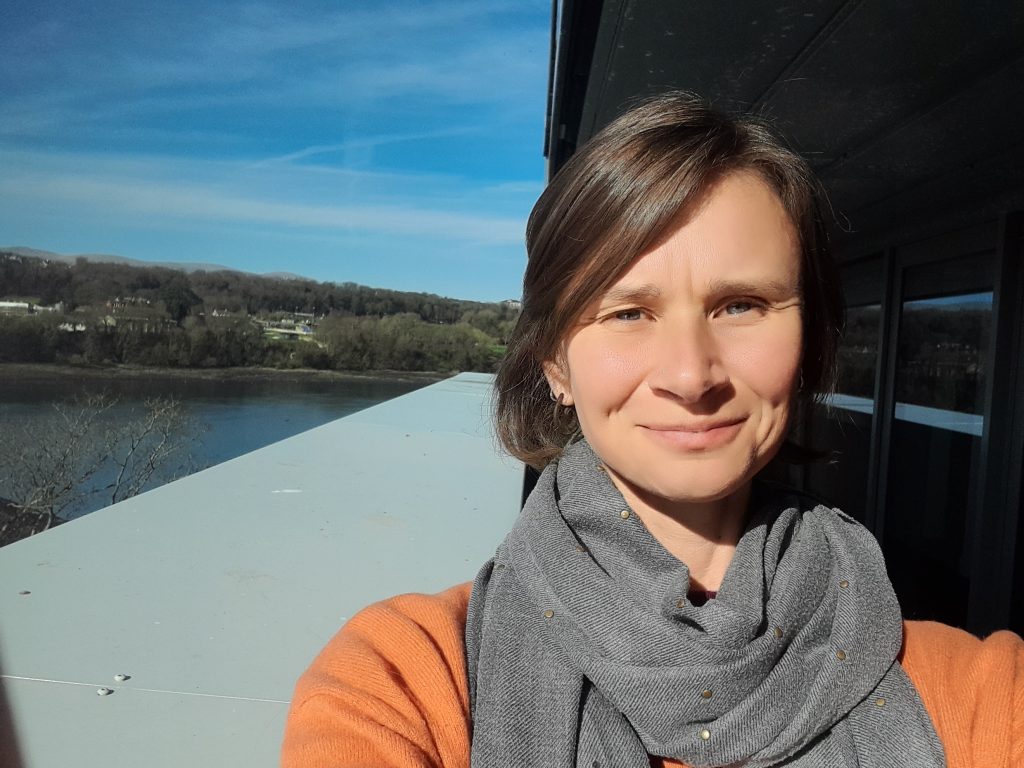
Jenny Bond
SW Anglesey Project Manager
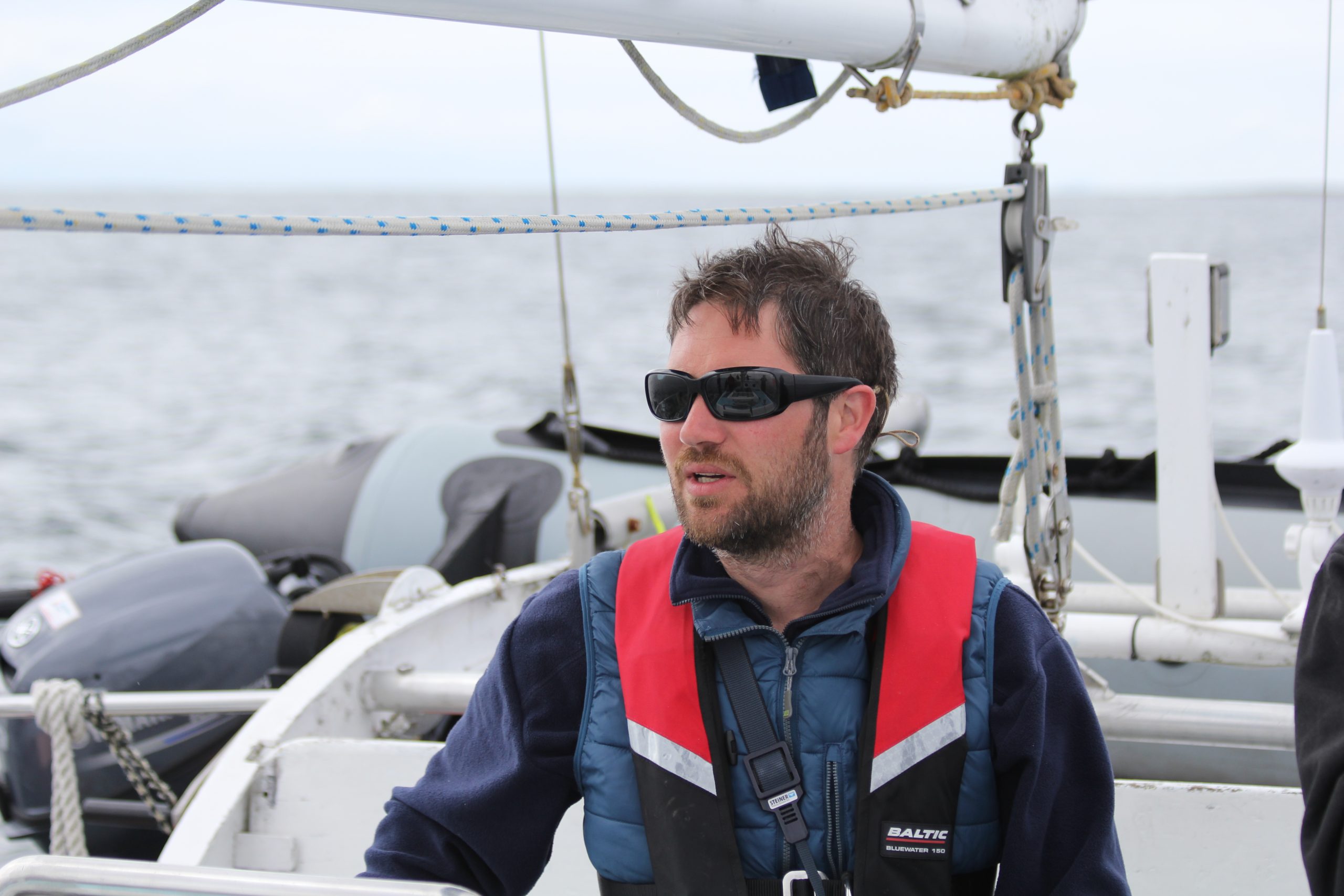
Dr. Frazer Coomber
Analyst
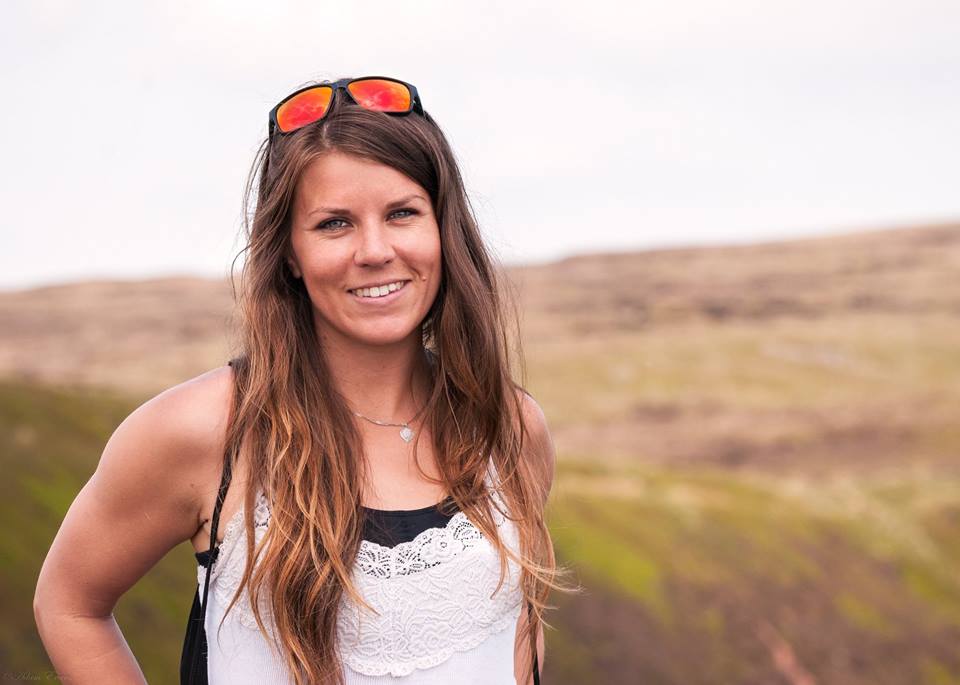
SIMONE EVANS
SIGHTINGS OFFICER
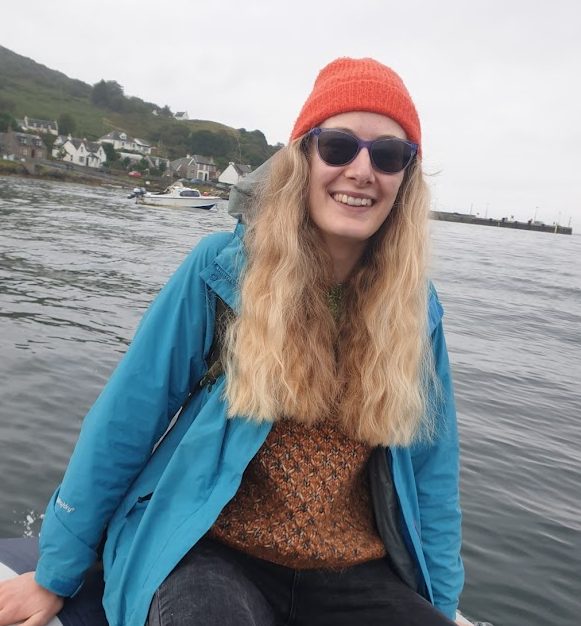
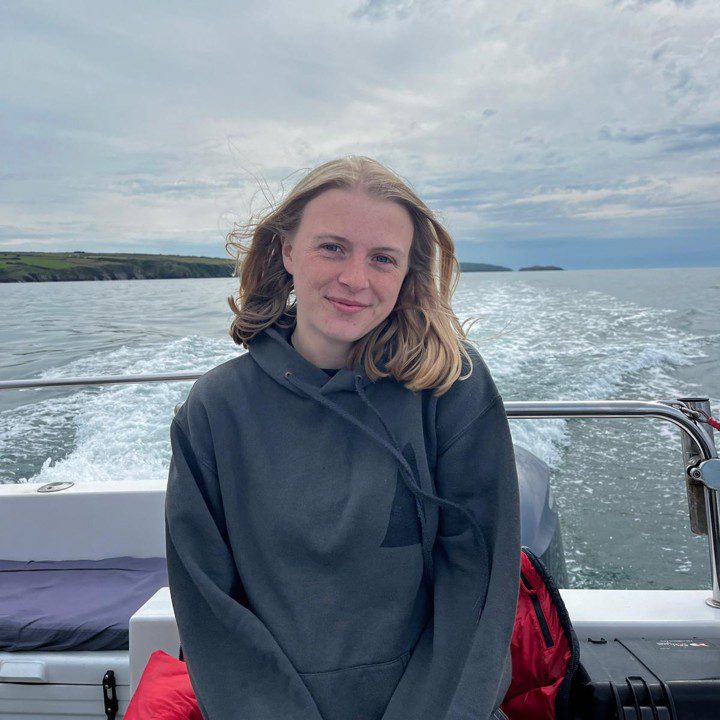
HARRIET GOODCHILD
COMMUNICATIONS AND OUTREACH OFFICER
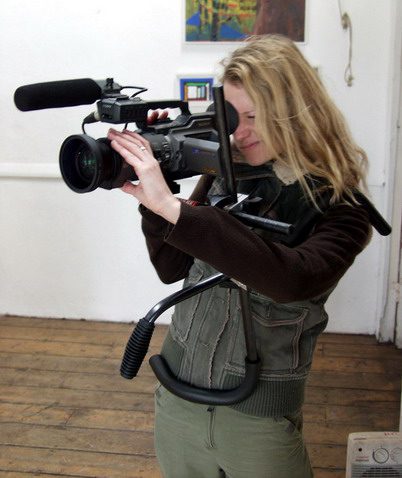
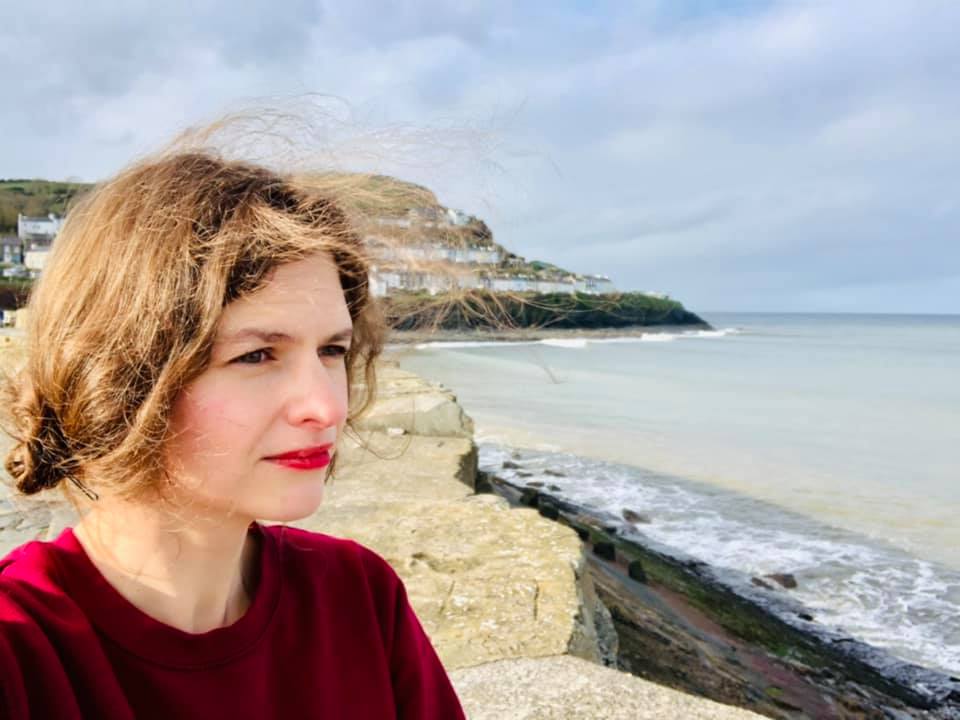
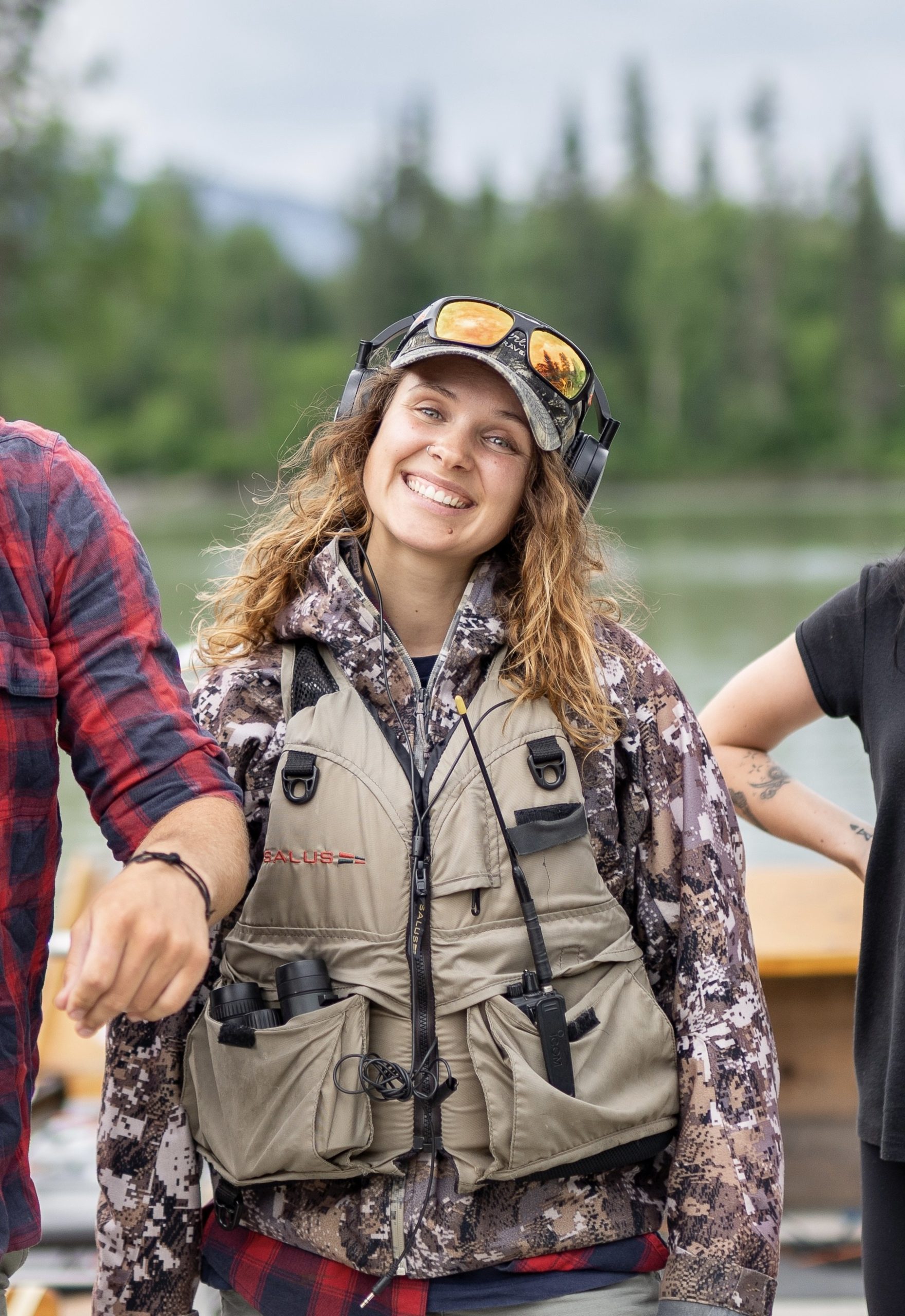
SIena Mcquade
bodorgon project OFFICER
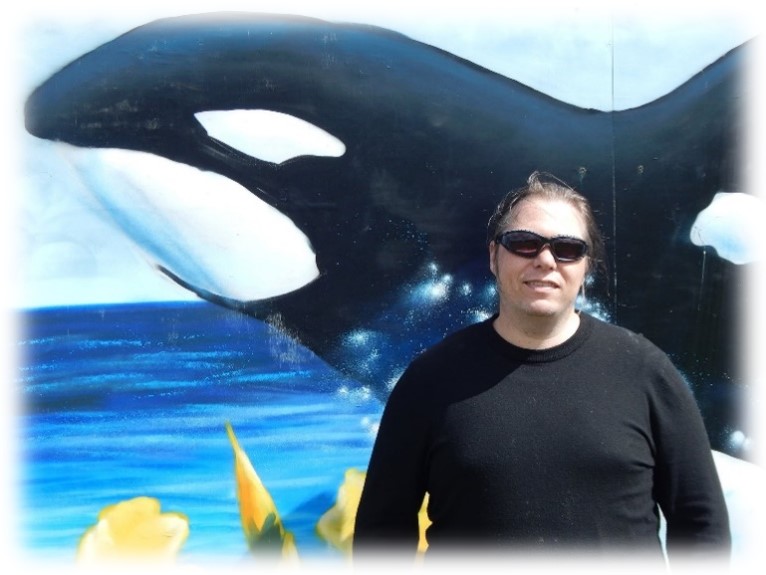
BEN MURCOTT
VOLUNTEER CO-ORDINATOR
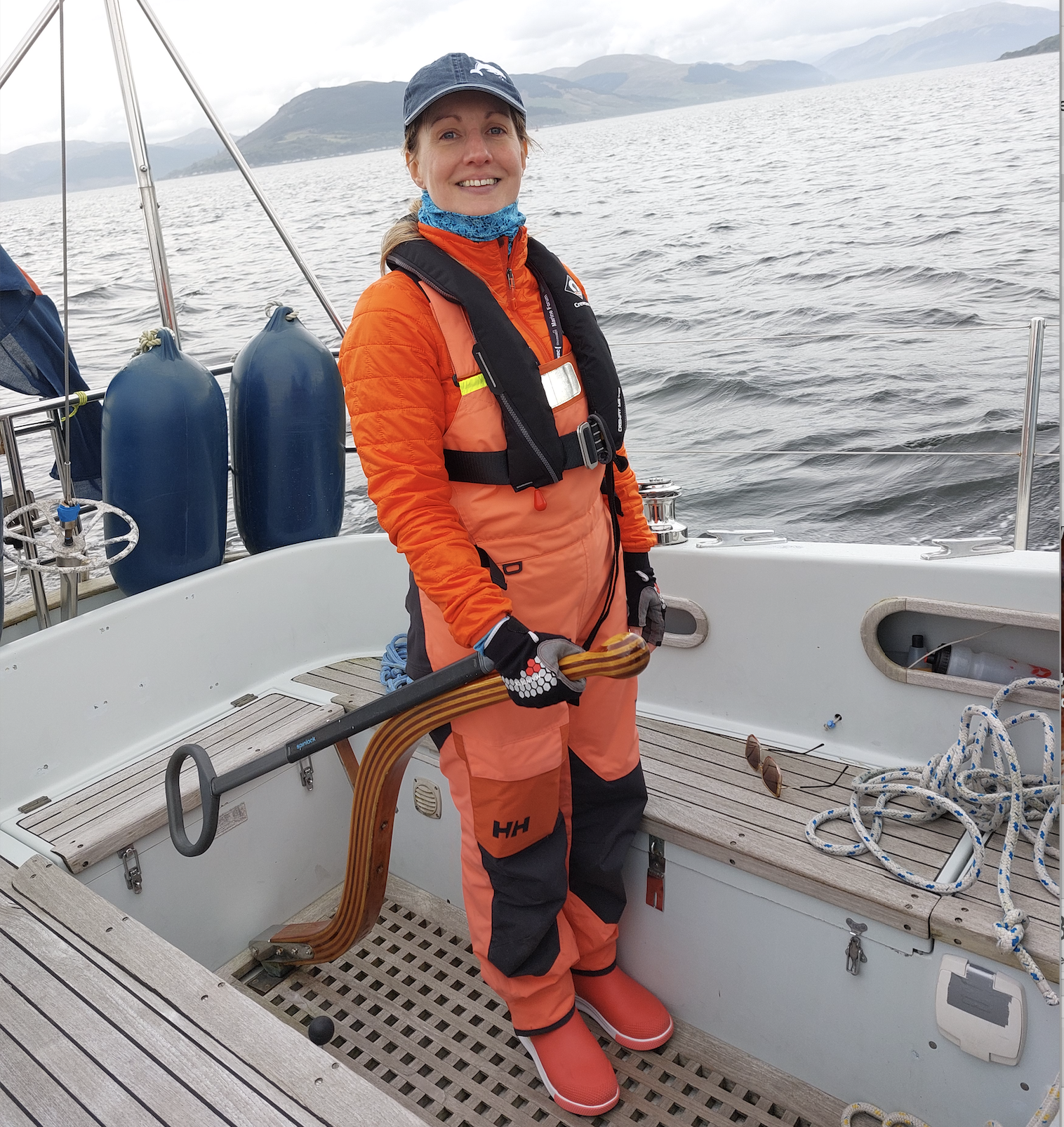
SALLY TAPP
SCOTTISH OFFICER

Prof. John Turner
Chair of TRUSTEEs
MICK BAINES
Trustee
KATIE BAKER
TRUSTEE
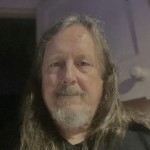
Dr. Jim Boran
TRUSTEE
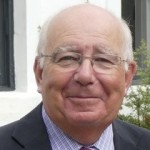
George Boyer
TRUSTEE
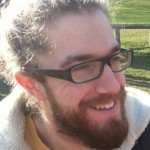
CRAIG MILLER
TRUSTEE
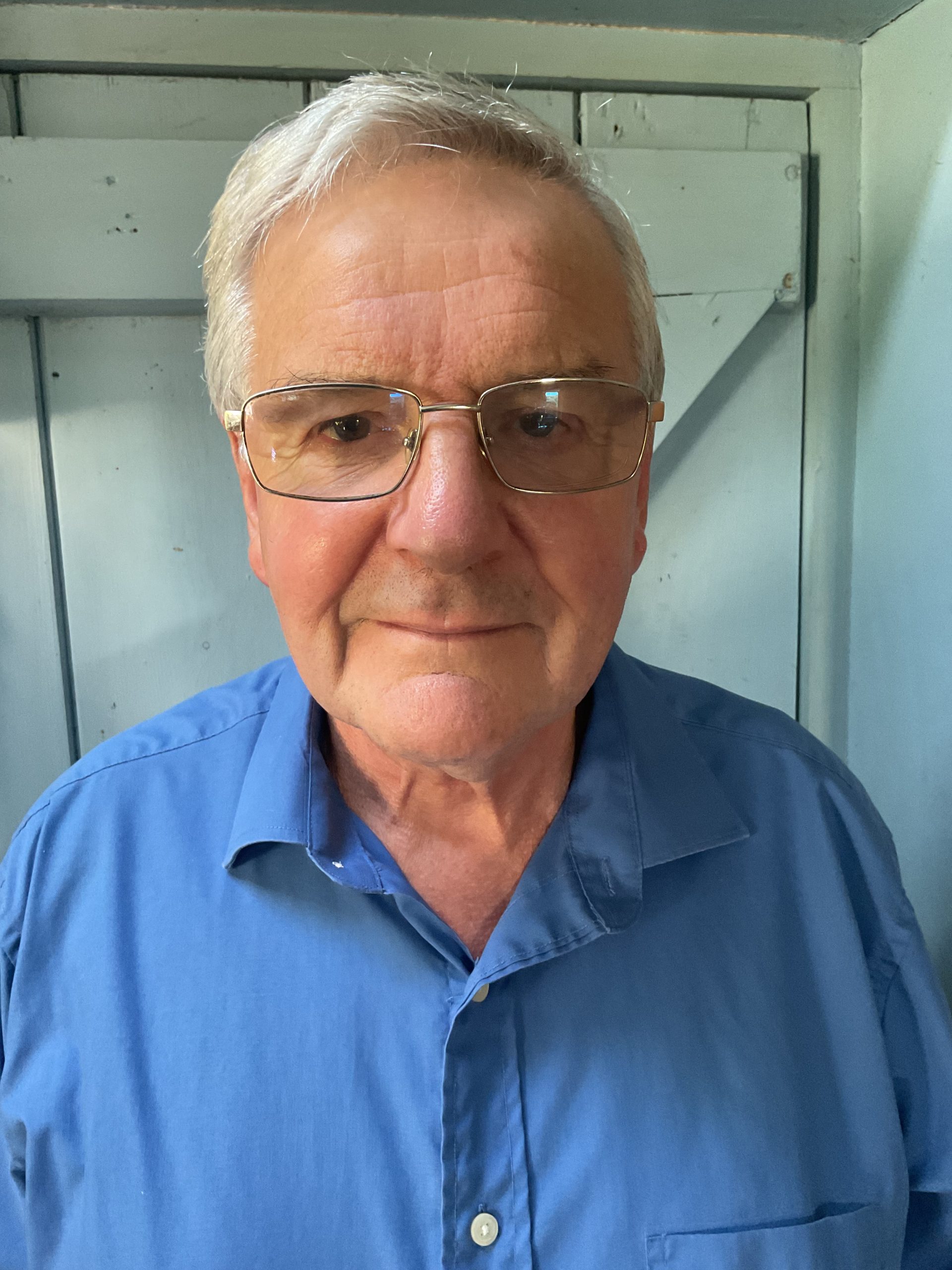
TONY OSBORN
TRUSTEE
HANNAH PARKINSON
TRUSTEE
Prof. Graham Pierce
TRUSTEE
Jamie Smith
TRUSTEE
DR. JAMES WAGGITT
Trustee
DR. PIA ANDERWALD
CONSULTANT
JAMES GITTINS
CONSULTANT